What My Marathon Carb Load Actually Looks Like
Table of Contents
Forget the Overcomplicated Carb Load
I’ve been coaching for 10 years, and probably five or six times I’ve had athletes do those specific carbo loading protocols you see in books or online. Every single time, 100 percent of the time, it’s gone poorly. They felt overweight, bloated, stressed, and it just added way too much chaos to race week.
I ran in college and ran professionally, and I’ve never once seen someone actually do that in real life. I think it’s one of those things that’s written about and studied and sounds smart, but in reality nobody’s out here counting grams of carbs and eating eight bowls of pasta the night before. Most people just make sure they’ve eaten enough, but not a ton outside of that.
My Simple Marathon Carb Loading Plan
Add Liquid Carbs the Last 2–3 Days
My favorite advice to give people is simple. The last two to three days before the race, have two to three extra servings of a liquid carb source. Gatorade, Scratch, Tailwind, Nude Endurance, whatever you like.
No products found.
It’s super easy. When you’re eating lunch two days before, grab two Gatorades. If you’ve got your big bag of Skratch, fill your water bottle with it. That makes sure you’re hydrated, your electrolyte stores are topped off, and you’re getting enough carbs without overthinking it.

Stick With Foods That Sit Well
I don’t really change what I eat much. I take a little time to write down all the foods or meals that have ever caused me problems and know to avoid them, especially the day before and even two days before.
Meals that sit best with me are things like pasta, rice, and breads. There’s a reason people talk about those carb sources all the time. It’s not just because they’re full of carbs, but because they sit well. A heavy, meaty meal like a steak that’s full of fat takes a lot more energy to break down and is going to sit in your stomach longer. That’s why we go more carb focused than fat or protein going into race day.
How to Avoid Feeling Heavy or Bloated
Don’t overdo it. Don’t plug your info into a calculator that tells you to eat 900 grams of carbs and then try to force it. Listen to your body. Eat what’s worked. Keep it easy.
My go to meal the night before just depends. Sometimes I like a rice stir fry bowl, sometimes a sandwich. And if you’ve got a classic Chipotle order that you’ve done a bunch and it’s never caused you any issues, go with that.

The Three Phases of Marathon Carb Loading
1. Pre Race Fueling
There’s the carb loading we do heading into the race, the morning of, and what we do during the race. They all play off each other.
Sometimes I either get too nervous the day before and don’t eat enough, or I get busy. I coach a lot of athletes, I work events, sometimes I’m running around all day and just forget to eat enough food. So then the morning of, I’ve got to be strategic. I might eat a little more than normal if I know I under ate the day before.
2. Morning of the Race
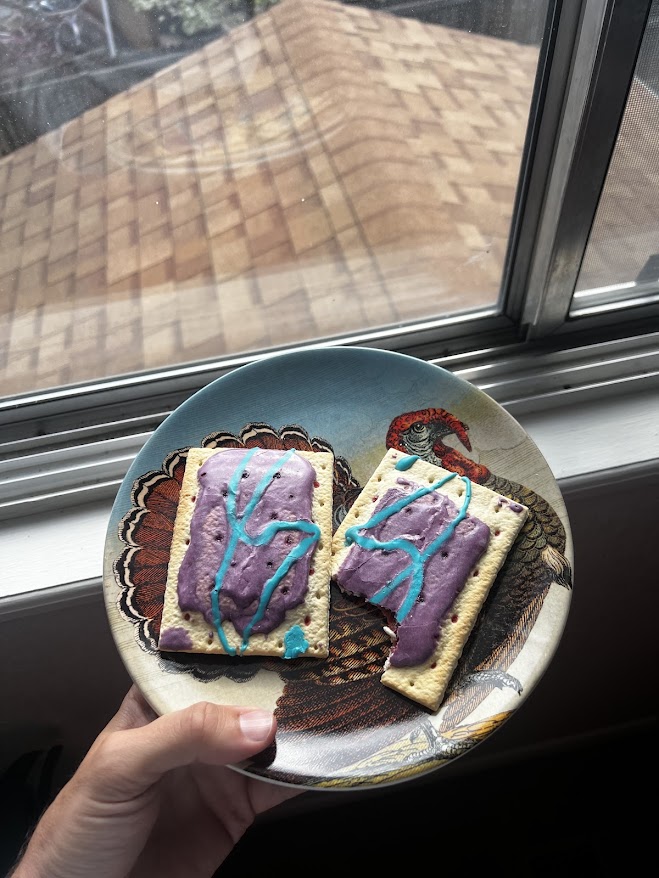
I’ve done Pop Tarts before races for years. They’re simple and easy to digest. If I know I didn’t eat enough the day before, I’ll have three instead of two.
If you’re behind the eight ball going into race morning, you can start your in race fueling earlier too. A lot of people take a gel about 10 to 15 minutes before the start. If I know I under ate, I might take two. Normally I’d start gels at around 30 minutes into the race, but if I’m behind on fuel, I’ll take one at 20 minutes. If you’re feeling bloated or full, start a little later. It all plays off each other.
3. In Race Fueling
If you’ve fueled well, you can start gels or chews on your normal schedule. If you know you’re underfueled, start earlier. Small adjustments make a big difference.
No products found.
Common Carb Loading Mistakes Runners Make
The biggest mistake I’ve seen with carb loading is trying to measure and count everything. Nobody I’ve coached has ever executed that perfectly.
The other big one is not giving enough thought to where you go to eat, or letting social pressure get in the way. Sometimes people have family or friends in town who want to go out for Mexican or something that always messes with their stomach.
It’s hard to say no, but this is your race. This is the one time you get to be a diva. Say no or grab something before you go. Or tell them you’ll sit with them but eat your own thing. Stick up for yourself and be difficult.
What to Eat the Night Before and Race Morning
Breakfast for me is usually peanut butter and toast or oatmeal. Bring instant oatmeal with you. That’s one of my favorite hacks. It’s easy, it’s consistent, and it travels well. I’ll even bring my own coffee so I know exactly how caffeinated it is and how my body responds to it. Again, be a diva.
I’m not a big Pop Tart guy in everyday life, but for long runs and races it’s a great way to get a lot of carbs and calories in fast.
Usually we reduce fiber, fat, and protein the day before and morning of. Not crazy low, but enough that it keeps your stomach calm. If you have no idea what that means, just think about the foods that have caused you problems before and avoid those.
Adjusting Carb Loading for Hot Races
If the race is going to be hot, lean even more into the liquid fuel side and focus on hydration. But don’t overdo it or you’ll be stopping at every porta potty.
Rest Is Part of Fueling
Rest plays a huge role. Rest is how we synthesize and store fuel. You can eat all the carbs in the world, but if you’re not resting, your body isn’t going to turn them into usable energy.
Take it easy, nap, chill out, rest going into the race. That’s how you let your body actually use what you’ve taken in.
The Real Goal of Marathon Carb Loading
The goal is to have enough usable energy so that when you race, you’re not limited by fuel. You’re limited by your fitness.
That’s the dream. That’s one of the most beautiful things in running. When you finish a race and realize you hit your physical limit in the best way possible. You trained well, you fueled right, the weather was good, your shoes were perfect, you felt great. That was just what you had.
That’s what good fueling and carb loading gives you. It gives you the chance to show up and express the fitness you’ve built without your stomach or energy cutting the race short.
Related Reading
check out my fueling guide for more on what to use during your long runs and races:
https://www.runbaldwin.com/fueling-on-runs/