
The Most Undervalued Skill in Running: Knowing What’s Sustainable
Probably the most important and undervalued skill to develop in running is knowing your effort and what’s actually sustainable.
Every workout is a chance to practice this. It’s not just about hitting splits or checking your watch. It’s about asking, “What’s the right effort for this rep?” You go by feel, finish it, and then reflect. Did I have more in the tank? Did I fade too much? Did I go out too hard? That reflection is where the real progress happens.
You can build this skill over time. The more you connect how something felt to how it played out, the sharper you get at judging effort. Threshold runs and longer tempos are great for this because you get that extended time to sit in that feeling and learn the difference between hard and too hard.
And that skill translates straight to the marathon. You’re constantly reading signals. Form breaking down, movement getting sloppy, mental fog, pain that keeps building instead of leveling out. Those are all signs you’re flirting with unsustainable.
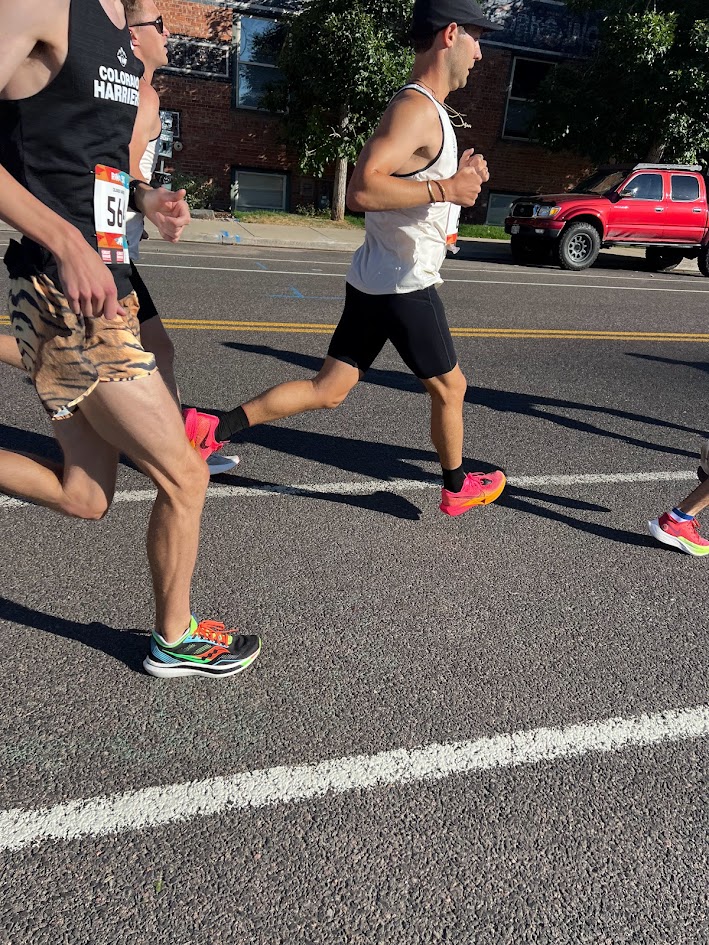
When that moment hits in the race, don’t panic. If you went out a little hot, you can always pull back slightly. Sometimes taking a “down mile,” 20 or 30 seconds slower, can help you reset and come back stronger. And sometimes that rough patch isn’t a problem at all, it’s just a phase. The key is patience and trust.
The marathon rewards runners who have learned to read themselves. That’s not just pacing. That’s awareness. That’s reflection. That’s experience stacked over time.
Table of Contents
Every Workout Is a Chance to Practice Knowing Your Effort
Every single workout gives you the chance to get better at this.
It’s not about whether the session was perfect. It’s about being intentional. When you start a rep, think, “Okay, here’s what I think the right effort is for this.” Then when you finish, ask yourself, “Was that the right call? Did I go out too aggressive? Could I have held that a little longer?”
Most people don’t take that extra step. They just say, “I got tired.” But the reflection afterward is where you get better. You start remembering what certain levels of discomfort actually mean. You start noticing patterns. You build an internal library of effort.
And you can practice this without racing. Every threshold run, every tempo, every long rep is a chance to dial it in.
What Sustainable and Unsustainable Actually Feel Like
Let’s start with what’s unsustainable.
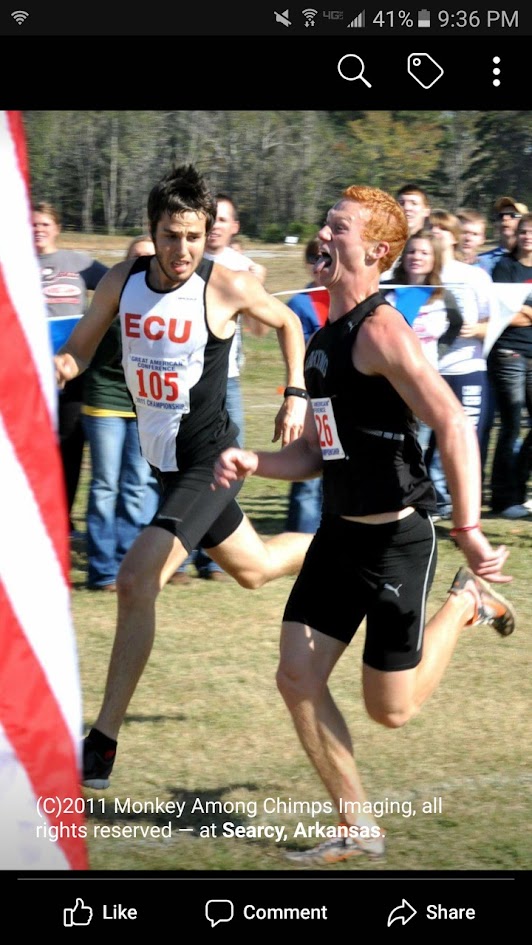
Anytime your form starts breaking down or something physically feels like it’s getting worse as you go, that’s a sign. You’ll see your arms flailing, your chest tightening up, your stride getting sloppy. If your breathing rhythm falls apart or your posture starts to shift, that’s usually your body saying it can’t hold that pace much longer.
Mentally, another clue is when your brain gets fuzzy. You’re not as sharp, and everything starts to blur together. That’s usually when you’ve crossed over the line.

You can also just feel it. It’s that chaotic, scattered kind of pain that feels like everything’s coming apart instead of locking in. The sustainable kind of discomfort still has rhythm to it. It’s controlled. The unsustainable kind feels desperate.
A good way to practice this is to take one rep in a workout and do it completely by feel. Don’t look at your watch. Just run what feels right. Then afterward, see how close that felt effort was to the pace you expected. You can do this on any workout. If you have 10 by 3 minutes, take one or two reps and go blind. It’s simple but it teaches you a lot.
Why “What Should the First 10K Feel Like?” Is the Wrong Question
That question, “What should the first 10K of the marathon feel like if pacing is right?” is kind of the wrong way to look at it.
Because sometimes your feel lies to you. Not every race starts smooth. Sometimes the first 10K doesn’t feel great. I’ve had marathons where I didn’t feel good early, then found my rhythm and felt strong again later. And of course the last stretch was hard. That’s just part of it.
This is where that awareness from training comes in. You start to learn the difference between a normal rough patch and a truly unsustainable effort.
When things feel off early, don’t panic. Throttle down a touch, relax, and give your body time to settle. Sometimes it just needs a few miles to find its groove.
If you did go out a little hot, don’t slam the brakes. Ease off slowly, find your rhythm, and get back to where you need to be. One of the biggest mistakes I see is overreacting. Someone feels bad for a mile or two and mentally unravels. Stay calm. Have a short memory.
I’ve seen runners go out too hot and still run great races because they didn’t panic. They just adjusted, got back to work, and moved on.
The “Down Mile” Reset Trick
If things start slipping early, one of my favorite tactics is to take a “down mile” or “down K.”
Run one segment 20 to 30 seconds slower than your goal pace and treat it like a halftime reset. You’ve probably made up that time earlier anyway. Let your heart rate drop, calm your breathing, and see if you can pull yourself back together after that.
It’s simple, but it works.
How Emotions Mess With Effort
Emotions play a massive role in all of this.
The adrenaline, the excitement, the crowd, all of it can throw off your sense of effort. It can make easy feel hard or hard feel easy.
That’s why I tell people the first half of the marathon is something you just have to get through. Think of it like a plane ride. It’s taking you where you need to go, but you’re not there yet. Settle in, relax, and save your mental energy for when it really matters.
The goal early on isn’t to feel great. It’s to stay calm, efficient, and patient.
Effort Evolves Over 26.2 Miles
Effort doesn’t stay the same from start to finish.
The second half of the race is way more demanding than the first, even if you’re running the same pace. The last 10K always feels harder than the first 20 miles. That’s normal.
You’ll go through waves of feeling good and bad, confident and unsure. The key is not overreacting to any single moment. Ride the wave. Trust that how you feel right now isn’t permanent.

How to Develop This Skill Before Race Day
You don’t need a marathon to work on this. Every workout is an opportunity.
Visualize race day during training. Think about what sustainable feels like and what your personal warning signs are when things start to slip.
The biggest mistake runners make is going through workouts on autopilot. They check splits, finish, and move on. But the real value is in the grindy part. The part where it starts to hurt. That’s your office. That’s where you go to work.
That’s the section of the workout that actually teaches you something. Even if you blow up, if you stayed present, held good form, and fought through it, that’s a win. Those moments are what transfer to race day.
The Takeaway
Learning what’s sustainable isn’t something you’re born with. It’s something you learn through repetition, reflection, and being aware.
Every rep, every workout, every race teaches you something about where that line is. With time, you start to trust it.
The best marathoners aren’t the ones running the most miles or the fastest workouts. They’re the ones who have learned how to read themselves.
Coach’s Corner
Try this in your next workout:
Pick one rep or segment and run it completely by feel. No watch, no pace, just effort. When you finish, check what pace you actually ran. See how close you were to what you thought you were doing. It’s a small exercise, but it builds that internal awareness fast.
When to back off vs. when to dig:
If your form is falling apart, your breathing is getting erratic, or you can’t think clearly anymore, you’re probably crossing into unsustainable. Ease off a little and let things settle. But if it’s just that normal “this is getting hard” feeling, that’s where you go to work. That’s the space you want to get familiar with.
On race day:
When things start to feel rough, give yourself a small reset before deciding it’s over. Take a down mile, breathe, and see if you can come back. The marathon always rewards patience and composure more than aggression.