The Smarter, Simpler, More Thoughtful Free Marathon Plan
Built for Real Beginners by Really Handsome Coaches (and Nick)
A Better Kind of Free Plan
Most free marathon plans suck.
“They’re just usually not that well put together, with a lot of mistakes. People deserve something better.” – Will Baldwin
They ramp up way too fast, glorify the 20-miler like it’s some magical rite of passage, and ignore the actual needs of beginner runners. Honestly, they’re just not very thoughtful. You can tell they weren’t written with real coaching experience behind them, because if you’ve ever coached someone one-on-one, you’d never write some of the stuff I see in those plans.
So we made a better one.
Table of Contents
It’s a free marathon training plan that’s built with intention, structure, and care by two certified professional running coaches with decades of experience. A plan that considers how your body adapts, how busy your life is, and how to keep you healthy while still helping you run faster and feel better. It’s not complicated. But it’s good. It’s really good.
Why This Plan Is Different
1. We Start with Time, Not Miles
“It’s impossible to know how long it takes someone to run nine miles. For some folks, that could be an hour. For others, it could be two.” – Will Baldwin
That’s why we start with minutes. It’s safer. Smarter. And it respects where you’re starting from.
2. Built-in Down Weeks
We liked the 17-week format because it let us build in recovery weeks. They’re not lazy weeks, they’re intentional. They give your body a chance to absorb training. This structure helps you stay consistent, avoid burnout, and actually build momentum.
3. Yes, We Do Strides (And You’ll Love Them)
Strides are such low-hanging fruit. They make your easy days feel easier, and they help you run smoother. They’re fun.” – Will Baldwin
You don’t need crazy workouts to improve. Just a few short, fast strides can make you a better athlete—and a better marathoner.
4. Some Threshold Work, Because You’re Capable
“It doesn’t have to be fancy. One minute on, one minute off. That’s all. It helps you feel like a runner.” – Will Baldwin
It keeps the plan interesting. And it makes a real difference. We wanted this to feel engaging—not just physically, but mentally. A little bit of spice goes a long way.
Who This Plan Is For
If you’ve used a free plan before and it didn’t go great—or if you’re about to train for your first long race—this is your plan.

This plan is great if:
- You’re running your first marathon (or even a half or 50k).
- You want something better than Hal Higdon or random PDFs online.
- You want to train smarter, with some variety, but without anything too complicated.
Who it’s not for:
- If you’re an advanced runner or need personalized pacing.
- If you have a ton of questions and want back-and-forth support (in that case, you probably need a coach).
How to Get the Most Out of This Plan
Follow the plan. Do what it says. Watch the strength video. Use the VDOT calculator if you don’t know your paces. Ask your best friend to do it with you. Listen to the Mind Your Miles podcast.
What You’ll Actually Do in the Plan
🏃♂️ Easy Runs
Most of your runs will be easy—and that’s exactly how it should be. Easy running builds your aerobic engine, improves recovery, and makes you feel better the more you do it. But easy doesn’t mean lazy. It means relaxed. Sustainable. Something you could hold a conversation during.
🔗 Should You Track Your Running Training in Miles or Minutes?
🔗 How to Start Running from Scratch
⚡ Strides
Strides are short, fast accelerations that make a massive impact. They improve your range of paces, your mechanics, and your overall economy. They’re low-risk, super effective, and one of the easiest ways to feel more fluid and strong in your running.
💪 Strength Work
We included a short, simple prehab routine in this plan. It’s just four moves you can do in your living room—but it’ll help you run more efficiently and stay healthy.
🏔️ Long Runs
This plan builds up to meaningful long runs—but it does so smartly. No need to blow up your knees trying to hit 20 every weekend. Instead, we use progression, variation, and occasional quality sessions within your long run to ensure you get the adaptations you need—without overdoing it.
🔗 Is the Long Run Really That Important?
🍎 Fueling
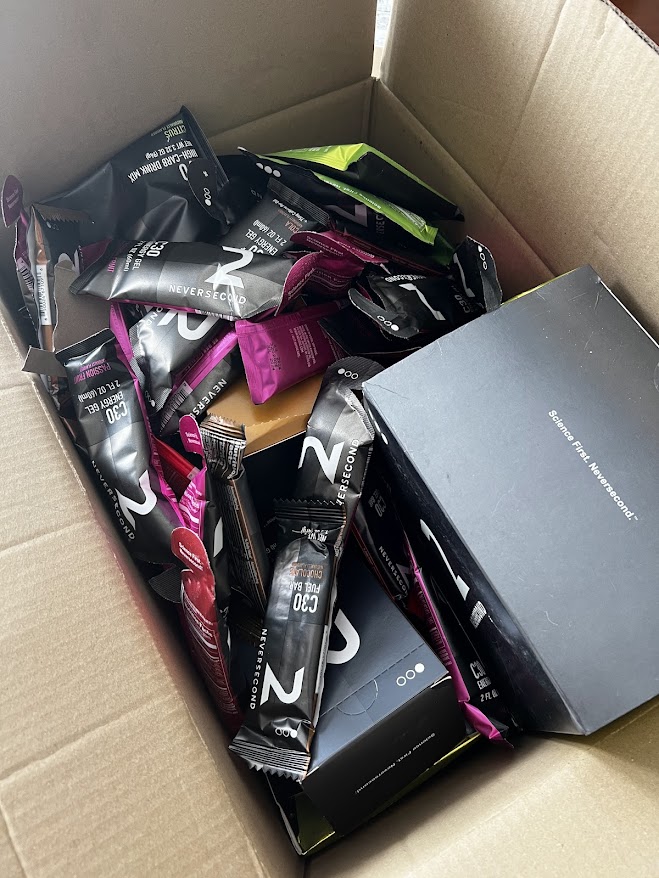
Every long run over 90 minutes should include fueling practice. There’s no way to run your best marathon without learning how to eat and drink while you run. We keep it simple: gels every 30 minutes, electrolytes when possible, and plenty of practice in training so race day feels automatic.
🧘 Flex Days
A Flex Day is kind of like a ‘choose-your-own-adventure’ day built right into your running schedule. It’s a day where you get to decide what your body and mind need most.
🔗 What Is a Flex Day in Running?
How to Start Today
Put the race on your calendar. Download the plan. Ask a friend to train with you. That’s it. You’re doing this. Let’s go.