Why I Created a Coaching Plan for High School Runners
Over the years, I’ve had a lot of parents reach out. Sometimes it’s parents of athletes I already work with, and sometimes it’s people who just know me as a coach. Almost every message starts the same way, but for slightly different reasons.
A lot of them say something like,
“My kid loves running, but our high school program isn’t that serious.”
But others sound like this:
- “My son is actually one of the top kids on his team, but their program isn’t very competitive. The league or even the state isn’t that strong, and he’s just not being challenged.”
- “Once cross country ends, our school doesn’t meet again until track, so my daughter ends up doing nothing for months. She wants to keep improving, but there’s no structure or guidance.”
- “Our coach is great, but the off-season workouts are kind of old-school. They’re doing some crunches or jogs, but not really progressing or building fitness.”
- “Our team only meets three or four days a week, and my kid just doesn’t know what to do the other days. They’re motivated but don’t want to overdo it.”
And honestly, I get it. I was that kid too. My high school wasn’t a running-focused school at all. We had great people, but running wasn’t the priority. The training wasn’t very structured, and the season felt short. If you were serious about getting better, it was hard to know what to do on your own.
That’s why I built this plan. I wanted to create something for high school runners who love the sport, want to get faster, and maybe have dreams of running in college—but don’t always have access to a program that helps them reach that next level.
https://vdoto2.com/p/will-baldwin/private-coaching/high-school-athl/202924
Table of Contents
The Problem I Kept Seeing
Most high school running seasons are short. A lot of teams only meet a few days per week, and once the season ends, the structure disappears. There’s no plan for the off-season, no guidance for how to build, and no one checking in to make sure kids are training smart.
Meanwhile, these athletes are motivated. They care. They want to figure out how to go from “I love running” to “I want to be really good at this.”
So I started helping a few of them. Writing extra workouts. Guiding them through the off-season. Helping them make progress without burning out. At first, it was casual, but it worked. And this year, I decided to make it official so more high school athletes could find me and get the same help.
A Coaching Plan Built for High School Runners
This plan is designed to add to what an athlete is already doing, not replace it.
We have one big rule that every family knows from day one: we never, ever take a kid away from practice.
If your school team is meeting, you go.
If your coach has a workout planned, you do it.
If there’s a meet, that’s the focus for the day.
What we do together is purely supplemental. It’s the extra stuff that helps you bridge the gap between where you are now and where you want to be. That might mean adding a little structure on off-days, building a smarter off-season, or learning about race strategy and pacing.
You only get one shot at being a high school athlete. Those practices, your teammates, those bus rides, those memories—they matter. That’s where the love of the sport comes from. So we always prioritize the school team and build around it.
My job is to help fill in the blanks, to help you train a little smarter, recover a little better, and stay healthy and motivated all year long, without ever stepping on your coach’s toes.
What Makes It Different
This plan isn’t about piling on mileage or hammering workouts. High schoolers are still growing, still balancing a ton—school, friends, social stuff, puberty, hormones, stress. We have to be smart about it.
So instead of overloading them, we focus on things that actually make a difference:
- Building a consistent aerobic foundation.
- Adding strength and prehab routines to prevent injuries.
- Smart, progressive workouts when appropriate.
- Learning pacing, racing, and recovery strategy.
- Helping with college prep, like how to talk to coaches or choose the right programs.
I’ve worked with several high school athletes who’ve gone on to run in college at every level—D1, D2, D3, NAIA, and JUCO. Some have even earned scholarships. Seeing that happen for them means a lot to me, because I remember what it felt like to want that chance and not know how to make it real.
Why It Means So Much to Me
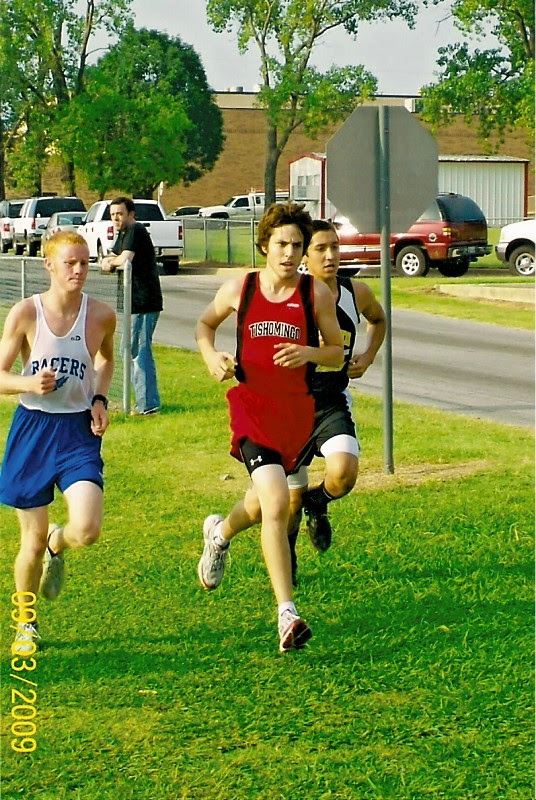
When I was in high school, I wanted to run in college so badly. But I didn’t know what I was doing. My coaches were good people, but they weren’t runners, and my parents didn’t have a running background either.
I actually ended up playing basketball my first year of college before switching to running later on. Looking back, if I’d had a plan like this—someone guiding me through workouts, helping me stay consistent, teaching me how to train—I probably would’ve started my college running career right away.
That’s a big part of why I built this. I want to be the person I needed at that age.
Keeping It Simple, Smart, and Respectful
When I work with high schoolers, the number one rule is respect.
Respect the coach. Respect the team. Respect the program.
We’re not trying to replace anyone. We’re not building a competing plan. We’re building something around what already exists, so that kids who are hungry to improve can do so in a smart, balanced way.
It’s about accountability, structure, and growth—without ever losing the joy of the sport or the value of being part of a team.

Seeing It Work in Real Life
This has been one of the most rewarding things I’ve done as a coach. It’s really taken off. I’ve had more parents and athletes reach out than I ever expected, and the stories have been awesome to watch unfold.
Just this week, one of my high school athletes signed to a Division I program. Others have gone on to D2, D3, NAIA, and JUCO. Some have earned scholarships, others just fell in love with running again.
These kids are eager, curious, and motivated. Helping them train smarter, stay healthy, and figure out their next step—whether that’s college running or just being their best self in high school—that’s what this plan is all about.
If You Know a Young Runner Who Could Use Some Guidance
Send them my way.
Whether they’re trying to get faster, stay healthy, or just figure out what to do in the off-season, I’d love to help.
You can check out the full plan here:
👉 High School Coaching Plan on VDOT
We’ll build around what they’re already doing, respect their team and coach, and help them get the most out of their high school running career.
Cheers, Will