
Why Marathon Pace Isn’t Enough
Most runners training for a marathon end up thinking about one thing: marathon pace.
It makes sense. You want to run 26.2 miles at a certain pace, so you practice running that pace in workouts. You want to know what it feels like, how it moves, how to settle into it. And marathon-pace tempos, four, six, maybe eight miles at goal pace, feel like they should get you there.
That instinct is good. Specificity matters. But marathon training is a little more complicated than just rehearsing race pace. What most people don’t realize is that marathon-pace workouts only cover a small piece of what you’re asking your body to do on race day.
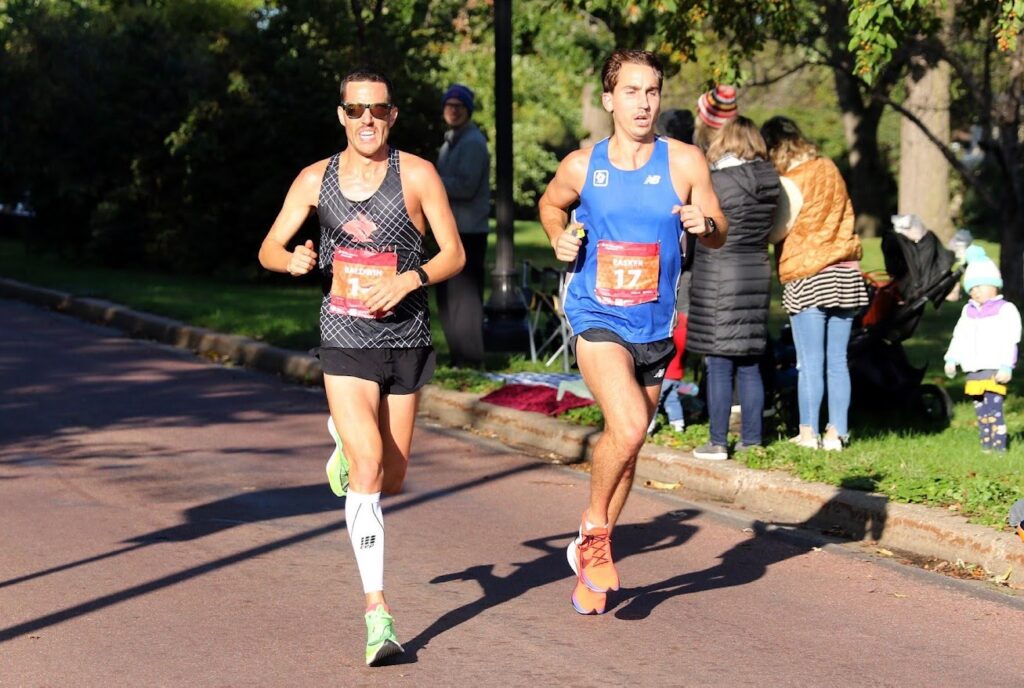
If you can run six miles at marathon pace in training, that’s great. But on race day, you’re asking your body to do it four times in a row. The gap isn’t just about endurance. It’s about fatigue resistance, aerobic strength, and efficiency.
That’s the part we can actually train better.
Why Marathon Pace Feels So Important
The obsession with marathon pace comes from a good place. Specificity is real and valuable. You want to feel prepared, and marathon pace workouts make you feel that way.
But in the marathon, we can only be specific in pace, not volume. You can’t do 26-mile workouts. So we’re always missing part of that equation. And if we only focus on pace, we end up training one small slice of the performance puzzle.
The marathon is the first distance where we can’t truly replicate the event in practice. For a half marathon, you can run longer than race distance. For a 10k, you’ll run miles at faster than race pace. But for the marathon, you can’t do both. You can’t run farther and faster. So we have to approach it differently.
We still want to feel marathon pace, but we don’t need to live there. The better approach is to train the systems that make marathon pace easier.
How Faster Training Makes Marathon Pace Easier
Here’s the key idea: faster training changes what marathon pace costs.
If your goal pace is eight minutes per mile and you spend all your workouts right there, you’re just practicing how to survive that speed. But if you spend time doing threshold work, maybe around 7:10 pace, you’re actually raising your ceiling.
That’s what makes marathon pace feel smoother and easier later. You’ve built more aerobic power. You’ve built more muscular endurance. You’ve reduced the amount of strain that pace puts on your body.
So instead of marathon pace sitting at 75 percent of your max effort, maybe it’s now down to 72 or 73 percent. That might not sound like much, but it’s huge over the course of 26 miles. It means you’re spending less energy to move the same speed, and that’s what gets you through the second half of the race.
The Gray Zone Problem
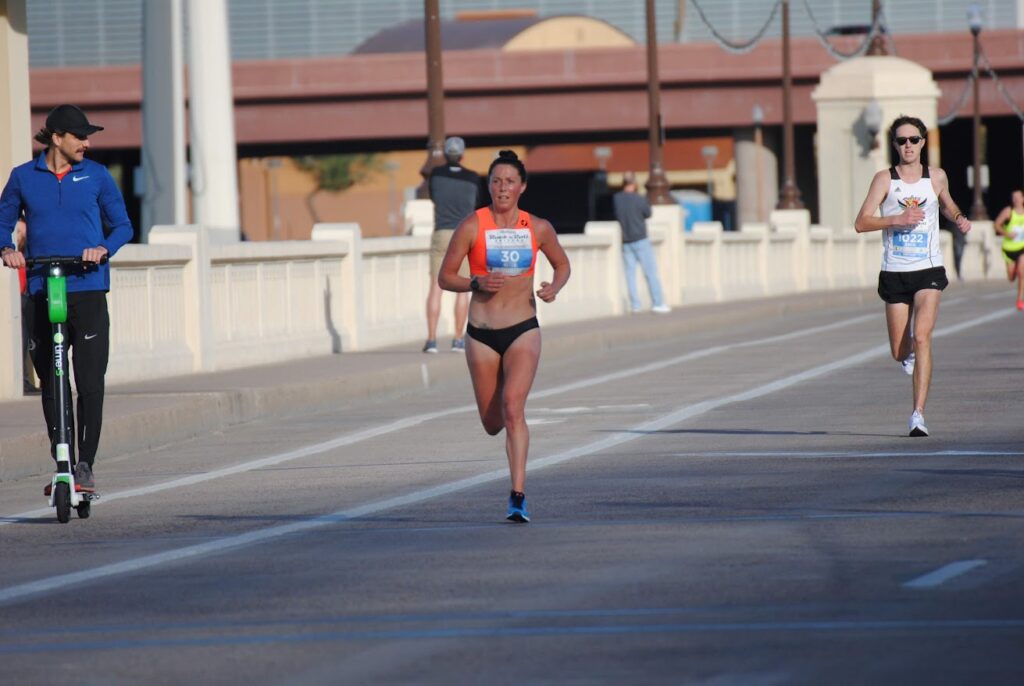
The reason this shift matters so much is because marathon pace lives in a strange middle ground. It’s too slow to give you the biggest aerobic adaptations, but too fast to recover from easily.
I wrote about this in The Grey Zone of Volume. Marathon pace workouts live right there. They feel productive. You’re running hard and focused, but physiologically, you’re not getting as much out of them as you think.
It’s not that they’re bad. It’s just that they don’t move the needle the way threshold work does. They make you tired, but not necessarily better.
So we still use marathon pace workouts, but later in the cycle, once the higher-level fitness is already built. At that point, they connect everything together and help you practice fueling, rhythm, and patience at race intensity. That’s when they actually work best.
A Smarter Substitution
Here’s one of my favorite substitutions for a traditional marathon-pace tempo.
Instead of running 8-10 miles straight at marathon pace, try 6 by 1 mile at aerobic threshold (roughly 10k to half marathon pace) with 1 to 2 minutes of easy jogging in between.
You’ll be running faster than marathon pace, but the short rests let you accumulate more total time at a harder effort. You’ll get more aerobic adaptation, more muscular endurance, and you’ll recover quicker so you can keep training well.
Physiologically, this kind of session improves lactate clearance, raises your aerobic threshold, and teaches your body to use oxygen more efficiently at higher efforts. It also recruits more muscle fibers, strengthens your legs under stress, and builds the exact fatigue resistance you’ll need late in the marathon.
You can still keep your long runs and specific sessions later in the cycle, but adding in workouts like this early on sets you up to actually handle marathon pace instead of just surviving it.
Coach’s Tip: How to Use It
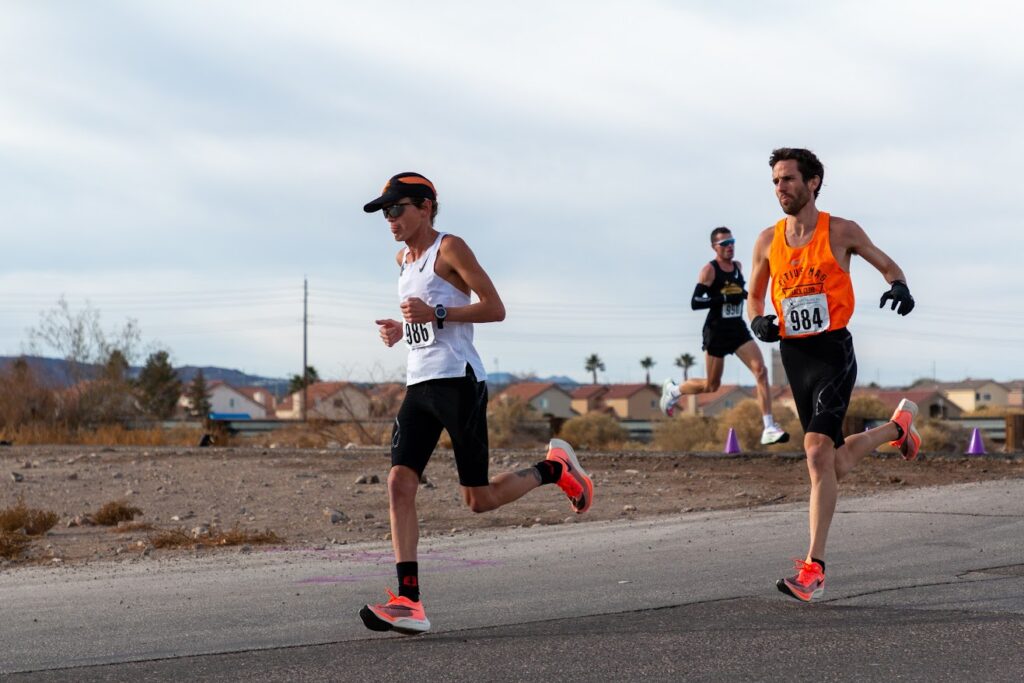
- Beginner: 4 x 1 mile at threshold with 2 minutes easy jogging between
- Intermediate: 6 x 1 mile at threshold with 90 seconds jog
- Advanced: 8 x 1 mile at threshold with 1 minute jog or 3 x 2 miles continuous
These sessions move the needle more than almost any marathon-pace tempo. They build fitness faster, develop fatigue resistance, and make marathon pace feel easier when it matters most.
The Power of Relative Effort
There’s another layer to this that’s one of the most important and undervalued ideas in all of training: relative effort.
It’s the idea that how something feels depends on what you’ve been doing before it. Humans, both physiologically and psychologically, have huge responses to changes in what’s normal.
If you work 40 hours a week and suddenly your boss asks for 50, that feels like too much. But if you’ve been working 60 and get bumped down to 50, that feels amazing. It’s the same number, but one feels crushing and the other feels like relief.
Running works the same way. If you’ve been training at threshold, doing mile repeats at 10k to half marathon pace, marathon pace suddenly feels manageable. It’s not just a mental illusion, it’s real. Your body has adapted to handle harder work, so when you back off to marathon pace, it truly feels easier.
This is one of the most powerful training effects we can create. When we get used to doing harder, more demanding work, our perception of effort shifts. Marathon pace no longer feels like a stretch. It feels like something we’re capable of sustaining.
You can think of it like lifting weights. If you spend weeks curling 20-pound dumbbells, then pick up 10s, they feel light. You haven’t changed the weight, you’ve changed what “normal” feels like.
When we raise what normal feels like in training, we build not just strength and fitness, but confidence. We give the athlete a fighting chance on the start line, because their goal pace is no longer intimidating. It’s familiar. It’s comfortable. And that’s what unlocks performance.
What Really Builds Marathon Strength
When we talk about “marathon strength,” what we’re really talking about is fatigue resistance. The ability to keep producing force when your body’s tired.
That doesn’t come from easy running or endless marathon-pace workouts. It comes from training that pushes your aerobic threshold higher and challenges your legs under stress.
Scott Johnston, who’s coached athletes like Tom Evans and Ruth Croft, uses loaded uphill workouts to build that resistance, things like weighted-vest treadmill climbs that target the exact muscles that fail late in a race.
For road runners, threshold intervals and hill workouts play the same role. We’re not just improving our lungs. We’re teaching our legs to keep firing under fatigue. Zone 2 training is great for aerobic base, but once you’re past that beginner stage, it doesn’t develop this kind of strength anymore.
That’s where faster, more demanding work comes in. It’s what makes marathon pace feel lighter and more sustainable.
How I Structure It in a Marathon Block
Early in a block, we don’t lock in a goal pace. There’s no point, because fitness changes too much. Instead, we train at your current aerobic threshold and let the pace evolve as your fitness improves.
That might look like mile repeats or 5 to 8 minute efforts around threshold pace. As the block progresses, we start blending in marathon-pace work. But by then, it feels easier because we’ve already raised the ceiling.
When you build training that way, marathon pace isn’t the thing you chase. It’s the thing that happens when all the systems are working together.
Real Examples
Brogan Austin’s 2018 U.S. Marathon Championship win at CIM is one of my favorite examples of this. His training that block was almost all critical-velocity work, roughly 10k to half marathon pace. Very little marathon-pace work. But that faster training made marathon pace feel easy on race day. He didn’t have to grind to hit it.
My own marathon PR came from the same kind of build. Mostly threshold sessions, lots of mile repeats right at aerobic threshold, and not much goal-pace work. On race day, marathon pace felt steady, natural, and sustainable.
I’ve seen the same thing happen with athletes I coach. And I’ve seen the opposite too. People who spend every week practicing marathon pace and then fade at mile 18. They’re not undertrained. They’re just missing that fatigue resistance that comes from training a little faster.
The Mental Side of Relative Effort
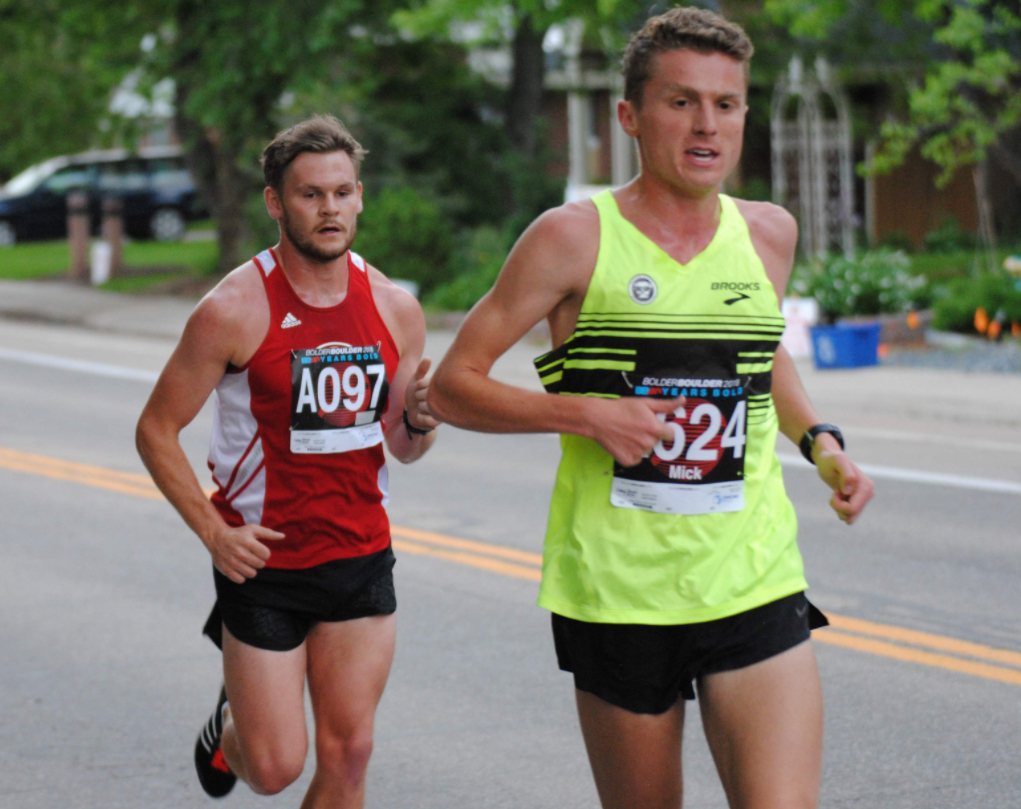
This whole idea of relative effort doesn’t just shape your physiology. It shapes your confidence.
When your training includes harder, faster work, it changes what “hard” means to you. It redefines your comfort zone. When you get to the start line, marathon pace no longer feels like a question mark. It feels like something you’ve already owned in training, just stretched out over time.
That mental shift is everything. It gives you trust in your training. It gives you calm in the first half and grit in the second. And that’s what makes a great marathoner, not just a strong aerobic engine, but a strong belief that the pace is within reach.
The Big Picture
Marathon pace training isn’t wrong. It’s just incomplete on its own.
Those workouts are valuable. They help you learn rhythm, fueling, and pacing. But they work best after you’ve already built the fitness to make that pace feel easy.
You don’t get better at running marathon pace by only running marathon pace. You get better by training faster, strengthening your aerobic threshold, and building fatigue resistance.
That’s what actually moves the needle. That’s what makes marathon pace sustainable.
When you train that way, race day doesn’t feel like a stretch. It feels like a payoff.
Related reading:
If you liked this one, check out The Grey Zone of Volume and Time on Your Feet. They break down similar ideas about how effort, efficiency, and adaptation all connect when you’re trying to get the most out of your training.