Plantar fasciitis = heel and arch pain. It’s that stubborn, annoying soreness that comes from some mix of inflammation, tightness, and mechanical imbalance. Shoes, overuse, tight calves, weak feet—it’s usually not just one thing. And it doesn’t magically go away if you sit still. You have to chip away at it from all sides.
Here’s my list. This is exactly what I tell friends and athletes when they message me about it.
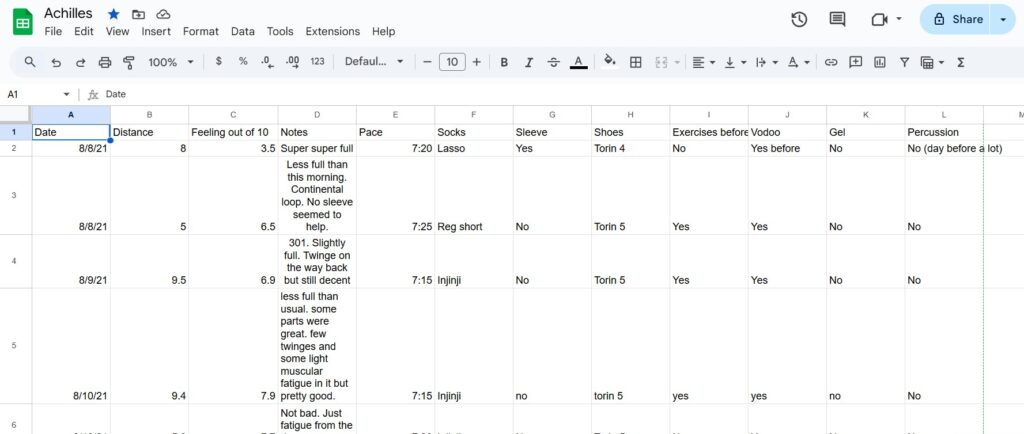
Before anything else, the most impactful thing you can do is make a spreadsheet. Hear me out. There are a ton of things that might be helping or hurting your plantar. Track every single detail that could impact it. Shoes, insoles, surfaces, how long you stood that day, recovery work, sleep, pain level, all of it. Patterns will start to show up, and that’s where you’ll find answers.
And honestly, the act of tracking it alone is magic. Writing things down builds this mental connection between what you do and how you feel. You start caring more, noticing more, and that awareness is where real progress starts. It’s not just about collecting data, it’s about showing your body that you’re trying to help it heal.
There’s my example from when my achilles was injured back in 2021.
I was tracking
How much I ran each day
What shoes I wore
What socks I wore
Whether I used a voodoo band on it
Whether I used a massage gun on it
How it felt in great detail
Had I dont me rehab exercises
etc etc etc
Now on to the things you need to do/buy to get this thing moving
1. Start with Shoes
Your shoes are the first battle. If they’re too small, too flat, or just not working with your foot, nothing else matters. Try pairs until you find something that gives relief. Go to a run specialty shop and try on several pairs and ask an expert in person for advice. My go-tos:
Brooks Adrenaline GTS
Hoka Bondi 9 (not the 8, the 9 hits different)
There’s no real correct answer, cycle through different pairs until you find one that gives you some relief.
Check size: at least a thumb’s width of space in front, and don’t be afraid to go wide. Give your toes room.
Table could not be displayed.
There are scientific studies proving a link between shoes that are TOO NARROW and Plantar fasciitis!
2. Orthotics
Some people will benefit greatly from a insert/insole. Currex RunPro inserts (medium or high arch) are awesome. If you know a legit orthotics person (emphasis on legit), custom can work too. I like currex the best of all the over the counter insoles because they provide some nice arch support, they have a low profile and are easy to fit into just about any shoe, and the arch supports isn’t completely rigid so your foot muscles are supported but still have to work and flex rather than just be casted up. But if any insole or orthotic provides you relief, rock on brother, wear em.
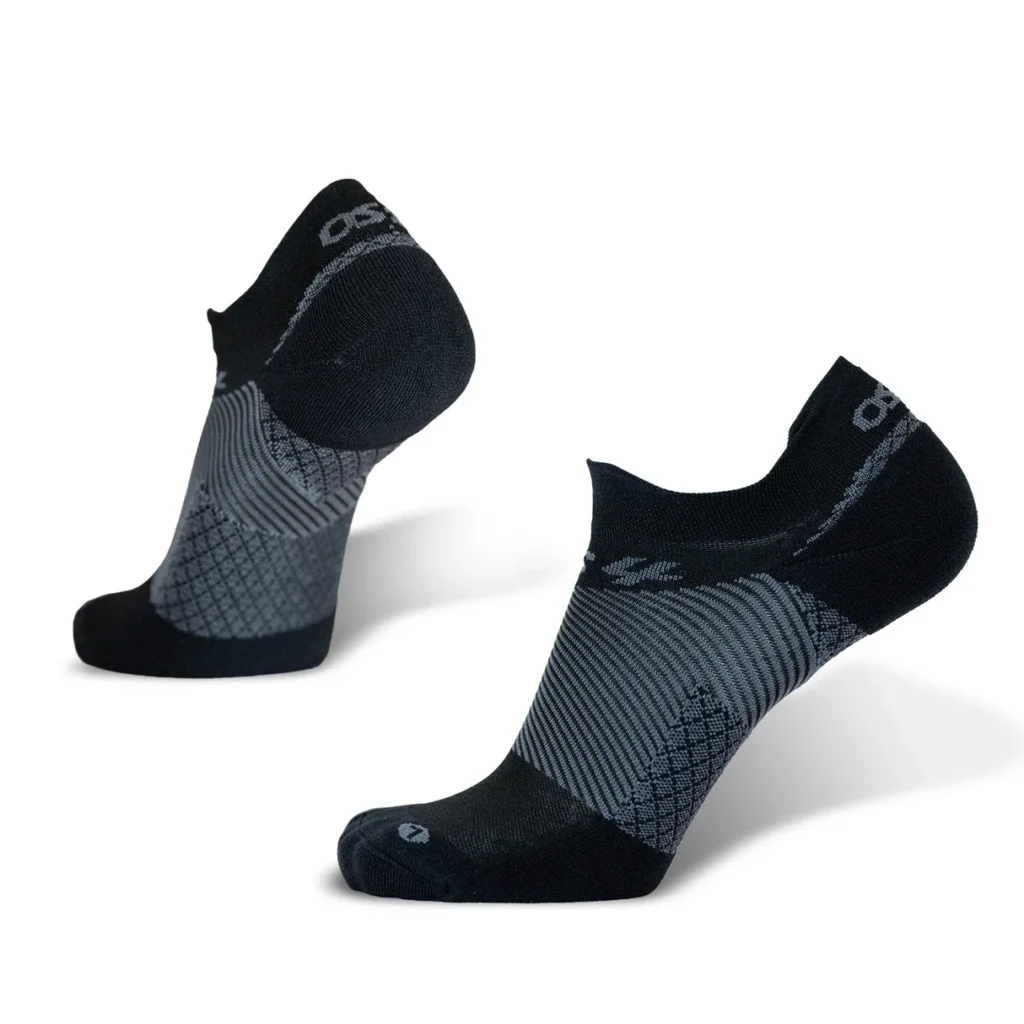
Get a few pairs of OS1st plantar fasciitis socks. They hug the arch and calm irritation. I’ve worn them a lot and recommended to a ton of people. On their own they are awesome, high quality running socks, and when you’re dealing with PF they will 100% eventually, provide some relief. Buy a few and rotate them. Brands like CEP also make some really good different compression products; several of which are specifically targeted at plantar fasciitis.
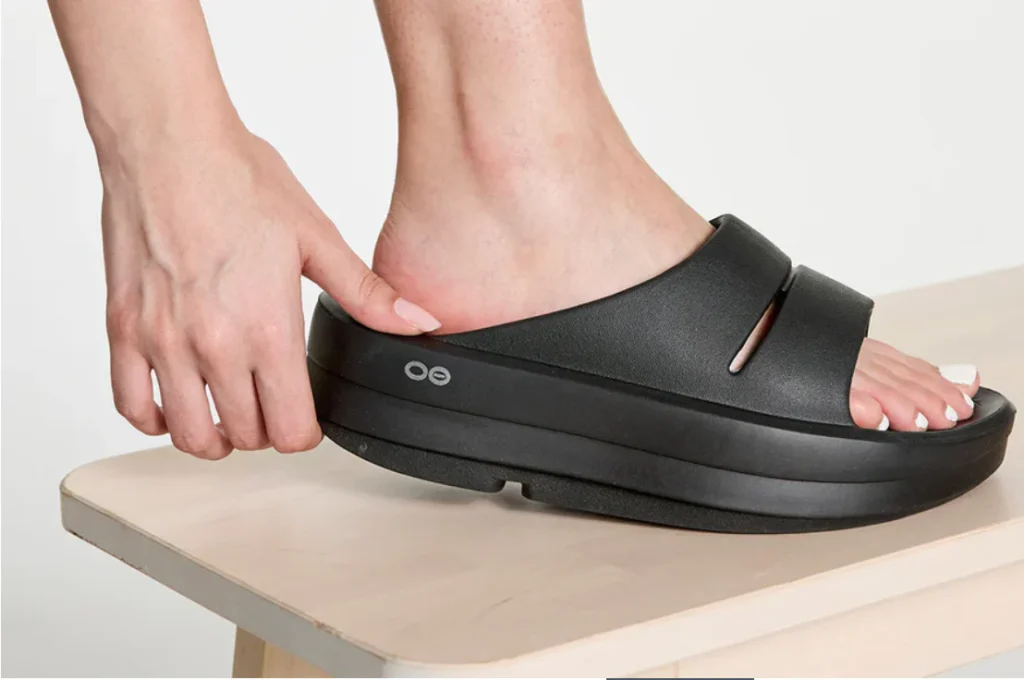
No barefoot shuffling in the kitchen. Grab a pair of Oofos slides or shoes. Having some cushion and support can help relieve some of the aches and tightness in the plantar. I’ve had several athletes say they noticed a difference from kicking around in these and I have noticed it myself too!!
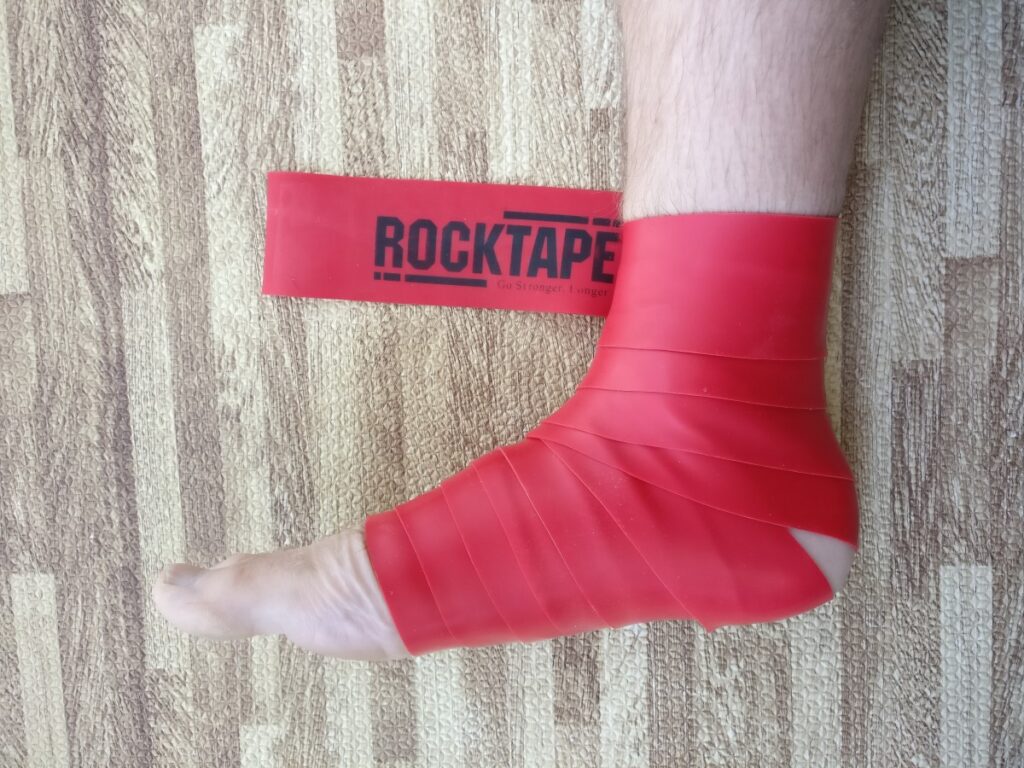
Order a Voodoo Floss Band, and follow along this video. Voodoo bands are a way to provide super high level compression which can break up some of the knots and tension in your plantar and then when the compression comes off a rush of blood flow will come in a supercharge the healing process. Do it 5x/day. Takes minutes, feels amazing, and loosens that whole chain.
This is a super impressive piece of foam. It helps strengthen and stretch all the important parts and muscles that contribute to Plantar Fasciitis. Getting the toes elevated gets a super good stretch on the fascia that helps lengthen it and get everything moving. It isn’t an overnight fix, but following the routine on the fasciitis fighter will help get ride of your PF and is a crucial part in it not coming back.
Weak feet = collapsing gait = overloaded fascia. Get a Mobo Board. Train your big toe control. It teaches your foot to actually stabilize instead of folding under pressure. A few years back a had a medial tibial stress fracture and two different physical therapists told me to get a mobo board. I eventually did and there has been nothing more instrumental in helping me get over that injury and get my lower leg complex strengthened back up enough to run a lot of miles. It’s such an awesome piece of equipment and it will truly make a big difference in several areas. They have good follow along videos on youtube to see all the exercises that go with it.
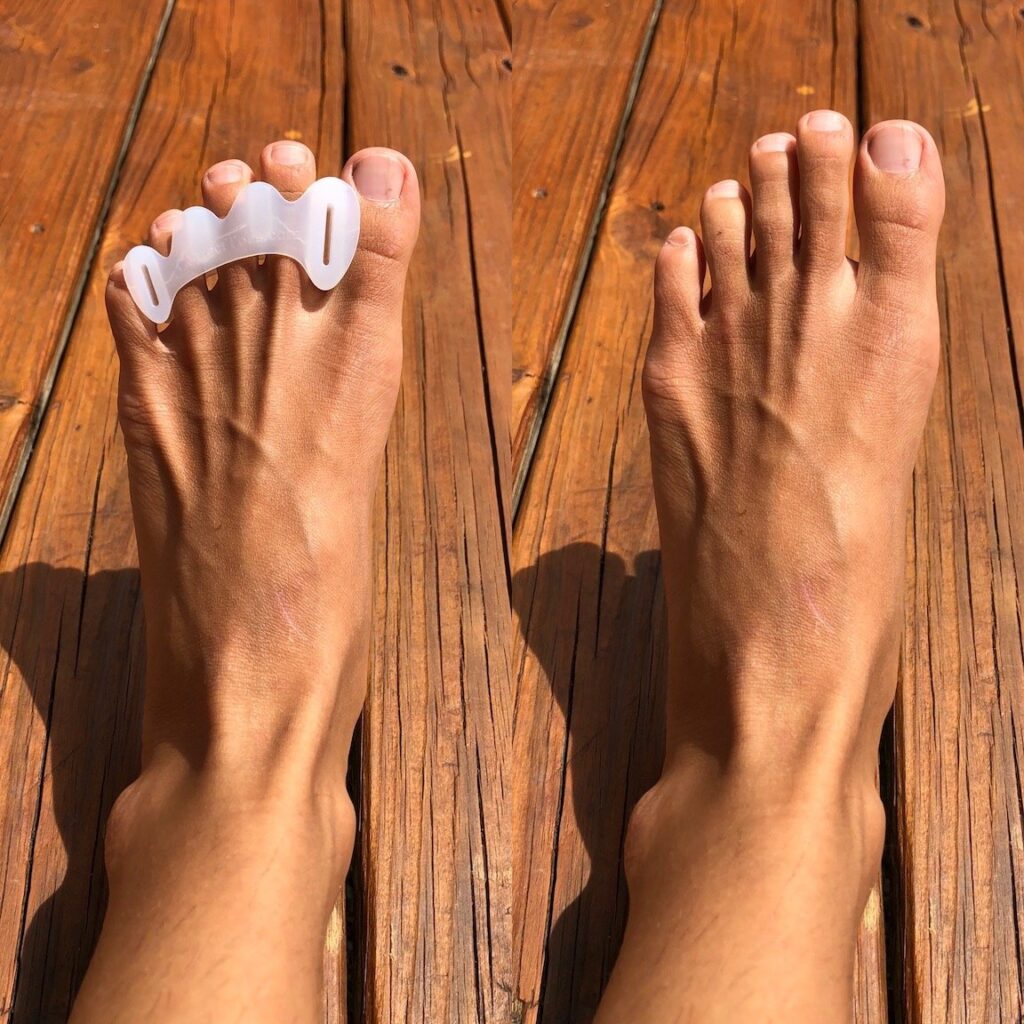
Like Magic, they can help undo years of toe-crunched shoes. Buy a few pairs of Toe-Spreaders. They feel good, they’re cheap, and sometimes the relief is real. It can take a while to get your foot used to them so just start with an hour a day.
9. Pro-Level Help, See a Physical Therapist
In all honesty 90% of PTs are not very good. They will give some exercises or stretches, a $125 bill, and send you on your way with just as much Plantar Fasciitis as you walked in with. There are some new modalities that have some pretty decent results. Shockwave therapy can be a game changer. Not a ton of PTs have it but ask around. Scraping or skilled manual PT can help too. Ask runners who actually got better who they went to.
10. Track It Like a Scientist
Spreadsheet it. Every day: what you tried, how bad the pain was that day, how it felt the next day. You’ll spot patterns fast. You’ll also keep yourself consistent, which matters more than anything. Here’s a link to the one I posted above for you to use.