

“I Just Wanted to Make Sure I Could Run the Distance”
The Box That Doesn’t Deliver
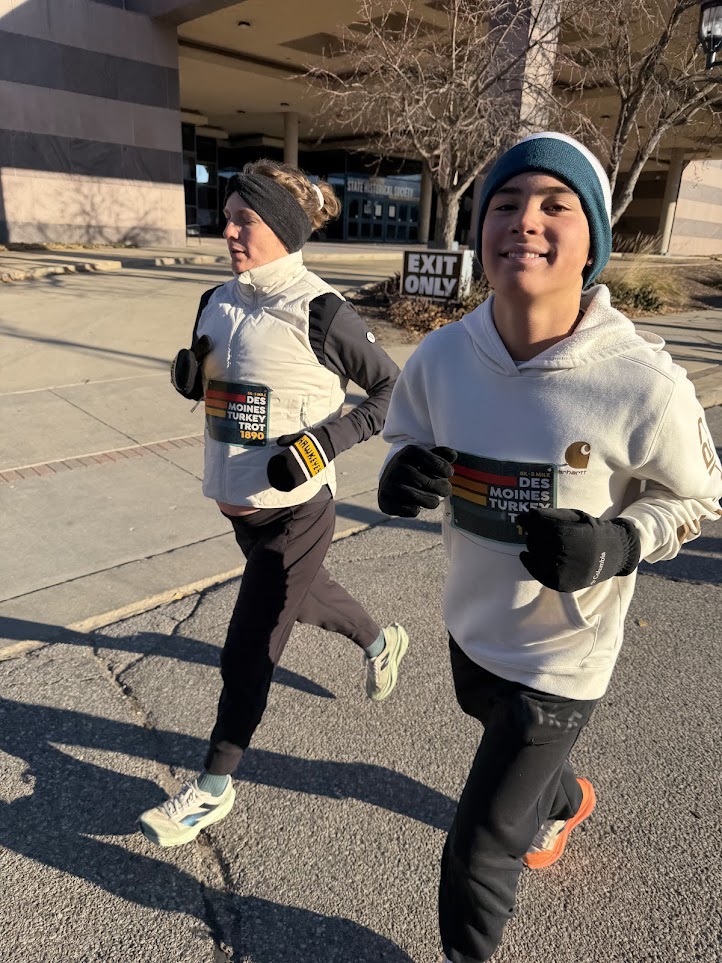
I talked to an athlete today who is getting ready for a half marathon. She hadn’t been running much lately, a dry spell, a few months off from racing, but earlier this week she just went out and ran 13 miles. When I asked her why, she said something I’ve heard probably a thousand times.
“I just wanted to make sure I could run the distance.”
Not just do it. Run it. The specific distance on the bib. That particular number. Because there’s something about seeing it on a race entry that makes people feel like they need to go out and physically confirm it exists inside them before they’re allowed to show up on race day and try.
Table of Contents
Here’s the thing. This woman has run somewhere around 50 or 100 half marathons. She averages one every six to eight weeks in a normal stretch. She knows she can do it. She absolutely knows. If she didn’t think she could, she wouldn’t have tried. Deep down, if you gave her truth serum, she’d tell you the same thing. The fear was never really about the distance. It was about something else entirely, something that’s harder to name, and a lot harder to talk someone out of.
But the consequences are real. That fear was real enough to send her out the door undertrained, running 13 miles cold. And now she’s sore. Now she’s limited. A training week that could have been building something, stacking fitness on top of fitness in the quiet, unglamorous way that actually works, got swapped out for a long, lonely confidence-check that didn’t even deliver the confidence. Because it never really does. You’d think completing the distance would feel like something. Like a door swinging open. But in my experience, athletes blow right past it. It becomes a box they checked and immediately forgot about, already scanning ahead for the next thing to worry about. The relief is fleeting if it shows up at all. The fear just relocates.
The Same Creature, Different Jersey
I wrote about this same thing when it comes to the 20-mile long run in marathon training. It’s the same creature wearing a different jersey. The distance becomes something people feel they need to conquer before they’re allowed to believe in themselves. The anxiety of it can swallow an entire training block. I’ve had athletes who could barely think about anything else. When are we doing the 20 miler? What if we don’t get to it? What if something goes wrong? We get there. We always get there when it’s the right time. But the fear hijacks the process long before we do.
What makes it strange, almost funny if it weren’t so constant, is that extending distance at easy paces is one of the least difficult things we do in running. The body adapts to time on your feet with very little prompting. I’ve coached athletes through 100-mile races whose longest training run was somewhere in the 40s. Ultra runners do this all the time. You simply can’t run 100 miles in training, so you don’t, and somehow they go out and do it anyway. Because slow, easy running, with walk breaks, with time on your feet, is something the human body figures out pretty readily. It doesn’t require much convincing.
What requires convincing is speed. Extension of intensity. Holding threshold pace when your legs are shot and your lungs are done and there’s still three miles to go. That’s where training earns its keep. A well-constructed hour with some strides in it will move your fitness needle more than an anxious, underprepared long run that leaves you wrecked for five days. The distance isn’t the hard part. It was never the hard part.

Why the Number Two in the Tens Column Means More Than It Should
So where does the fear come from?
I’ve been thinking about this a lot lately, honestly partly because I haven’t always had a great answer when athletes bring it up. But I think I’m getting closer.
A big piece of it is memetic. People watch what other marathoners do. They see the 20-mile long run all over Strava, in every training plan, in every conversation at the start line. They absorb it. Marathon training becomes almost synonymous with the 20-miler in the cultural imagination, and so they feel like they have to do it too, not because they’ve thought through why, but because everyone else seems to think it’s essential. There’s something about that number, the two in the tens column, that carries a psychological weight that has almost nothing to do with physiology. Twenty miles means something. Nineteen doesn’t. That’s not logic. That’s folklore.
The other piece is that I don’t think people are consciously saying they don’t trust themselves or don’t trust the process. But they are. The chase for the distance is quietly pulling energy and attention away from the training that actually moves them forward, and replacing it with a ritual that mostly just makes them feel like they’re doing what a marathoner is supposed to do.
And then they go do it. And they cross 20 miles. And it feels like… not much. They move on almost immediately. The confidence they thought it would deliver doesn’t arrive in the way they imagined. Because the box was never really the thing. The thing is the accumulated, consistent, balanced work of a whole training block. That doesn’t fit on a Strava post as neatly, but it’s what actually shows up on race day.
What Injury Taught Me About Letting Go
The athletes I’ve seen let go of this most successfully are often the ones who’ve been through injury. When we’re rebuilding, when we’re doing a lot of walk-runs and cross training and patience, I’ve been able to show them how all those pieces, the ones that don’t look impressive from the outside, are quietly doing more for their long-term fitness and durability than chasing a distance would. That reframe tends to land. Because they can feel it. They come out the other side running better than before, and they didn’t need the number to get there.
You Already Know
I’m not saying any of this to be harsh. Truly. This is one of the most human things I see in running. The desire to feel prepared, to feel like you’ve done enough, to not show up on race day feeling like a fraud — that’s not weakness. That’s just being a person. I feel that before races too, just about different things.
But here’s what I keep coming back to. This woman I talked to today has run that distance close to a hundred times. The idea that she needed to go confirm it existed one more time, undertrained, in the middle of a build, at the cost of a good training week — that tells you how persistent and irrational this particular fear is. It doesn’t respond well to logic. It responds to trust. Trust in the work, trust in the process, trust in what the body has already proven it can do.
You already know you can run the distance. You’ve always known.
Don’t feed the fear. You already know you can run the distance. The real question is whether you can trust the plan.