Winter Running: How to Survive, Enjoy It, and Actually Get Faster
Hi, my name is Will Baldwin. I’m a certified running coach with a USATF Level 1 certification and VDOT certification, and I’ve been coaching runners for over a decade now. You can check out more about me here: runbaldwin.com/about.
Running in the winter is a different beast. Snow, ice, cold air, short days. It takes more planning, more gear, and a little extra toughness. But here’s the thing: once you figure it out, it can actually be really fun. All the work you do now is rewarded when spring rolls around.
Table of Contents
Why Winter Running Feels So Hard
The surface
For a lot of folks, winter means snow and ice patches. That usually leads to slips and falls. Even if you don’t actually fall, running too much on snow and ice changes your stride and can tighten up your hamstrings. That weird shuffle you do to stay upright takes a toll.
The cold
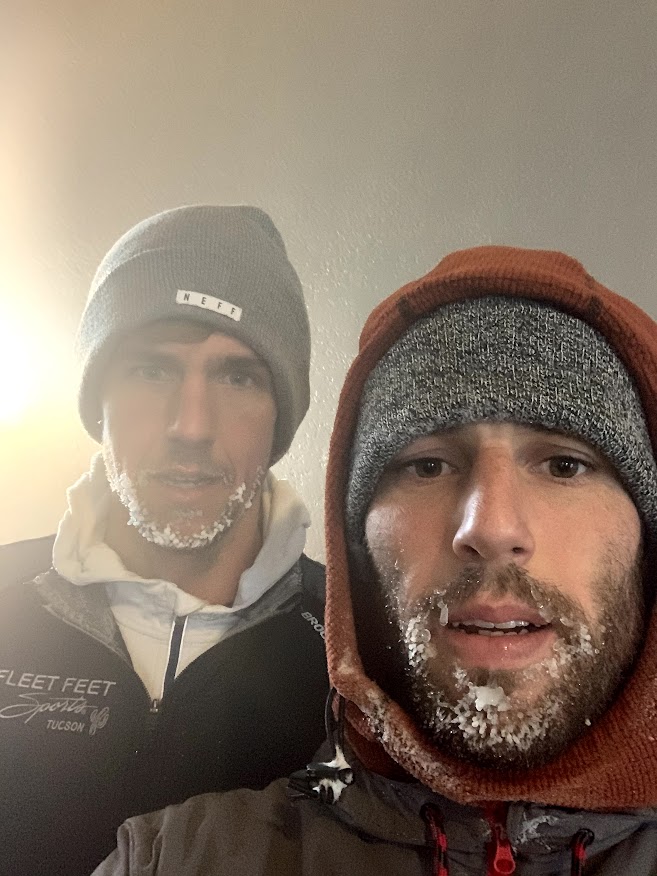
Everything just takes longer. Running is supposed to be simple, but in winter it isn’t. You don’t just lace up and go. It’s pulling gear together, checking the weather, finding a safe spot to run. Cold air also hits your lungs. It constricts them and makes breathing feel harder. And it takes way longer to feel warmed up. Those first 10 minutes aren’t as enjoyable compared to a nice 65 degree day.
The lack of sun
This one gets me personally. In December the sun is down before most people even get off work. By the time you’re ready to run, it’s already dark and way less enticing. Honestly, that’s my biggest challenge with winter running.

Why Cold Weather Running Is Actually Great
It’s not all bad. Cold weather has some sneaky benefits that people don’t talk about enough.
- Temperature regulation. More runners struggle in the heat than the cold. When it’s cooler, you’re not worried about heatstroke, you’re not piling on sunscreen, and you’re not overheating halfway through.
- Balance of fatigue and heat. Our body temperature rises during a run. In winter, that balances out nicely with muscle fatigue. In summer, you’re hitting peak fatigue at the same time your body is at its hottest. That’s what shortens runs.
- Peak performance. Ideal running performance temperature is in the 40s Fahrenheit. That’s when most people run their fastest.
- Dogs love it. Dogs can’t dissipate heat like humans. Running in summer can be rough on them. In the winter, a lot of pups are ready to go all day long.
Tips to Make Winter Running Work
Know your area
When it snows, where are the safe places to run? Is there a bike path that always gets plowed? Certain streets that melt faster? Indoor facilities open to the public? The more you know your area, the easier it is to adapt.
Run with people
Running alone in the cold can feel miserable. Running with a friend turns into a funny story instead of a grind. Other runners also know the ins and outs of surviving winter in your area. Some cities have indoor tracks that are open to the public. Some groups meet weekly for runs or workouts. Those things make the cold way more manageable.
Get the right gear
You’ll quickly find how little the weather bugs you once you have the right gear to combat it. A few essentials:
- Running mittens (better than gloves in the cold)
- A warmer hat
- Pants or tights
- A jacket meant for running in the winter
- A vest — there’s almost no better time to rock a vest than on a cold run. It keeps your core warm while letting your arms move freely.
- Trail shoes if your routes are icy
Check out a place like Running Warehouse for solid options. But really, once you have the basics dialed in, everything feels easier.
No products found.
Be nice to treadmills
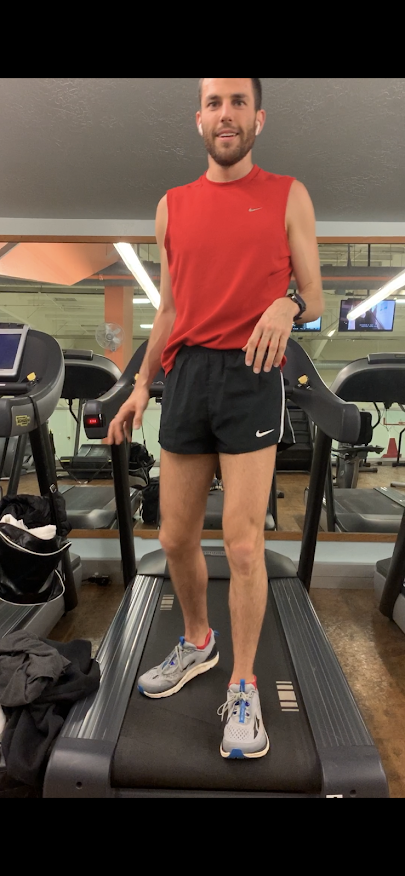
Treadmills mean well. They can’t help it that they’re boring. They’re just trying to keep us safe and warm. We’ve been unkind to them for too long. Sure, you might not run as far or as fast as outside, but a short treadmill run is better than no run at all. Throw on a show, slow the pace, and enjoy running in shorts and a T-shirt without doing an entire load of laundry for one run.
Extra Things That Help
- Have multiples. Buy a few hats and gloves. Nothing kills motivation like a damp pair from yesterday.
- Don’t obsess over pace. Cold, snow, ice, and extra layers all slow you down. Fitness is still being built. Focus on effort, not numbers.
- Use group runs for accountability. Having a set time and place removes the decision-making. You just show up.
- Think about heat prep. If your spring race has a chance of being hot, a short sauna routine can make a big difference. Boston is the perfect example. April can be winter or summer on race day.
Winter Running FAQs
Why do my lungs hurt in the cold?

Cold air constricts the lungs and makes breathing harder. A longer warmup usually helps. Covering your mouth with a buff can also take the edge off by warming the air before you breathe it in.
What’s the best running temperature?
Research has shown that the optimal temperature range for most groups of runners seems to be between 44 and 59 degrees Fahrenheit. That’s when body temp, muscle fatigue, and outside air all balance out.
How do I stay motivated when it’s dark?
Run with friends. Use a headlamp. Plan a treadmill day or two. It doesn’t have to be heroic every time. Breaking up the monotony keeps you consistent.
Do I need special shoes for winter?
Trail shoes work great when it’s slick. Some runners also use traction add-ons like Yaktrax, MicroSpikes, or screw shoes if conditions are really icy.
Should I slow down in winter?
Yes. Cold weather, snow, and extra layers will slow you down. That’s not a loss of fitness, it’s just the conditions. Training effect is still there.
Is it safe to run in extreme cold?
Yes, but use some common sense. If it’s well below zero with a nasty windchill, you’re better off indoors. Frostbite on fingers, toes, and face can happen quicker than you think.
How do I dress for a winter run?
Layer up but don’t overdo it. You should feel a little chilly at the start. A good system is: base layer to wick sweat, mid-layer for insulation, and an outer shell to block wind and snow. Then add mittens, a hat, and maybe a vest if it’s really cold.
How do I keep my hands and feet warm?
Mittens are better than gloves. For feet, wear wool socks or a thin liner sock under your regular pair.
Do I still need to drink water in the winter?
Yes. Just because you aren’t sweating buckets doesn’t mean you’re not dehydrating
Is treadmill running the same as outdoor running?
Not exactly, but it’s close enough. If you’re worried, set the incline to 1 percent to mimic outdoor effort. And remember, treadmills mean well. They’re doing their best to keep us safe and warm.
Final Thoughts
Winter running takes planning, more gear, and a little extra grit. But once you’ve got your system down, it’s not just doable, it’s fun. Stay safe, stay warm, and remember that all the work you put in during the cold months will be rewarded in the spring.
Why is cooler weather such a big advantage compared to summer running?
Overheating is one of the biggest things that slows us down. Our body and our muscles are not very heat efficient. They heat up and overheat really quickly. Think of it like a really old car that runs hot. When we can control the temperature in the environment, it drastically changes how long we are able to run, how fast we can go, and even how much hydration we need. All of those things get harder in the heat, so cooler weather is a huge advantage.
Why is 40°F such an ideal temperature for performance?
It is cooler than our core body temperature, which helps keep us from overheating, but it is not so cold that we get tight or constricted. It is that sweet spot. The body can stay cool, we do not sweat as much, and we do not have to hydrate as often or as heavily. All of that combines to let us run faster, longer, and more efficiently because we are not fighting against our body’s heat inefficiency.
How does fatigue feel different in the cold compared to the heat?
Muscles are always going to fatigue as we run, that is just part of the game. But in the heat, that fatigue piles up fast because you are layering on overheating. It makes that uncomfortable feeling come on quickly and feel way more severe. In cooler weather, it is almost like the outside temperature balances out the rising core temperature. So if your legs are starting to get tired, but your body temperature is perfectly aligned with the environment, that fatigue does not feel nearly as harsh, and you can keep pushing later into the run.
What safety considerations should runners keep in mind in winter?
Ice is a big one. Slipping on it is how a lot of hamstring injuries happen because your body is trying to stabilize mid-stride. Visibility is another. In winter, cars cannot always see us as well, so you have to be smart about routes and gear. And then footing in general, finding safe and stable ground makes a huge difference.