My Favorite US National Parks for Running
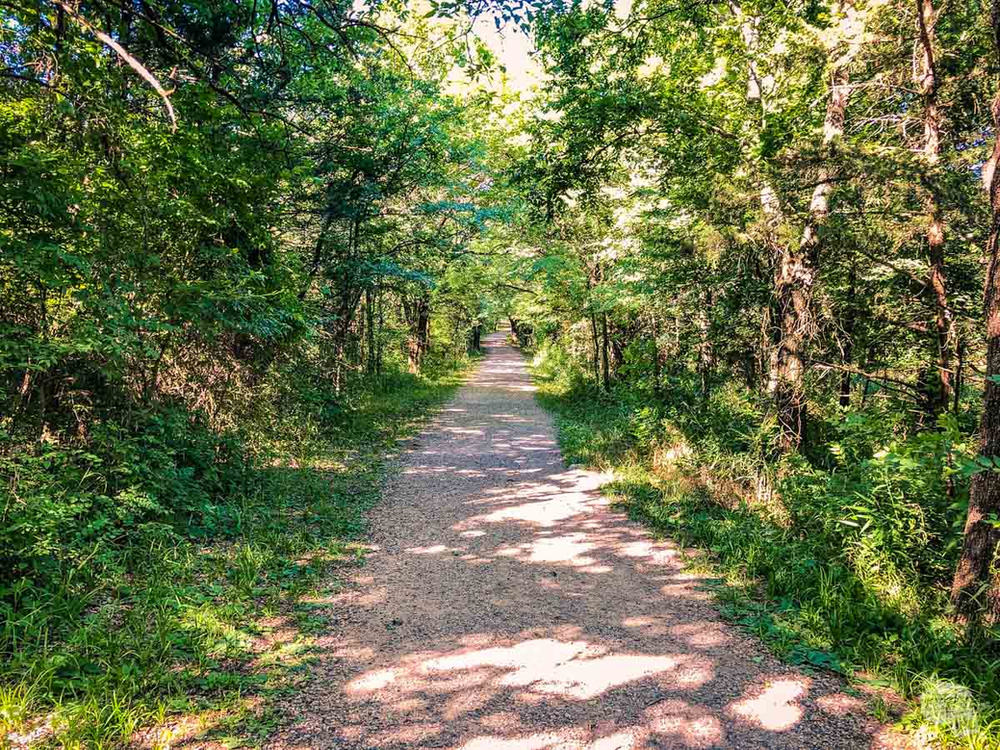
One of the many beautiful trails in Chickasaw National Recreation Area
Special Places for Running
Some of my best runs haven’t been in races or even in training for them. They’ve been in places where the run feels more like an adventure—out on the trails, surrounded by mountains, rivers, or wildlife. That’s the beauty of running in national parks. You don’t just get in miles; you make memories. The climbs, the views, the random encounters with deer or bison—those are the runs that stick with you.
Over the years, I’ve been lucky enough to run in a handful of national parks across the country. Each one has its own personality. Some are mellow, with crushed gravel paths where anyone can find their rhythm. Others are brutal, all vertical climbs and technical descents that’ll test every ounce of grit you’ve got. No matter your level, there’s a park out there that’ll leave you with tired legs and a huge smile.
Let’s start with a spot most people don’t even know exists
I’ve run in several national parks, and my first recommendation is one many people haven’t heard of. Chickasaw National Recreation Area in Sulphur, OK, is a hidden gem. I personally guarantee you will have an excellent run if you go for a jog here.
Table of Contents
Oklahoma?!
Yeah that’s right. Oklahoma. It’s a weird state and it has it’s flaws, but I guarantee if you go for a run and swim at this park you will change your mind about the 46th state.
Chickasaw National Recreation Area
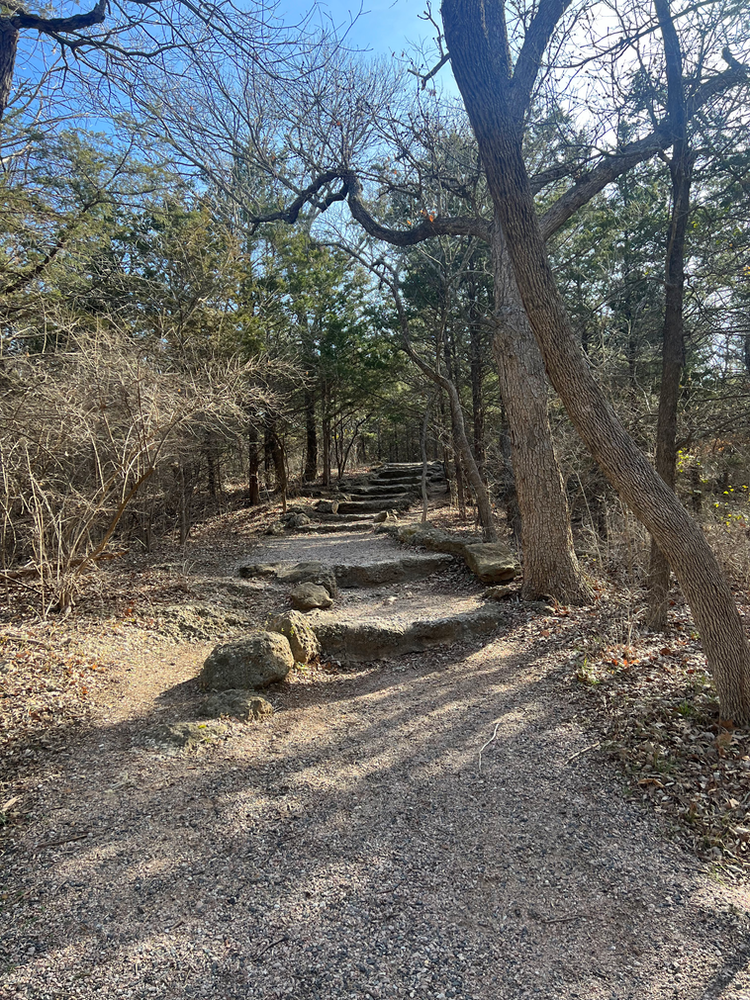
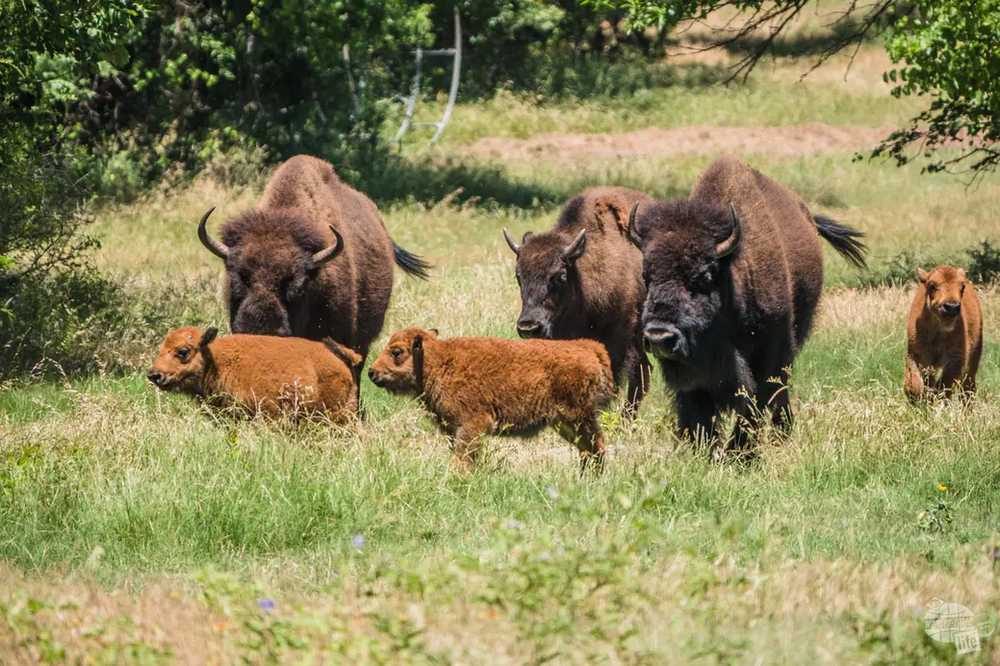
Formerly Platt National Park, Congress combined this park with the Arbuckle Recreation Area to make a runner’s paradise. Miles and miles of crushed limestone trails that run along creeks and waterfalls. There’s a long section that runs right along a herd of bison. It’s majestic to see these giant guys just a few feet away from you as you’re getting your run in.
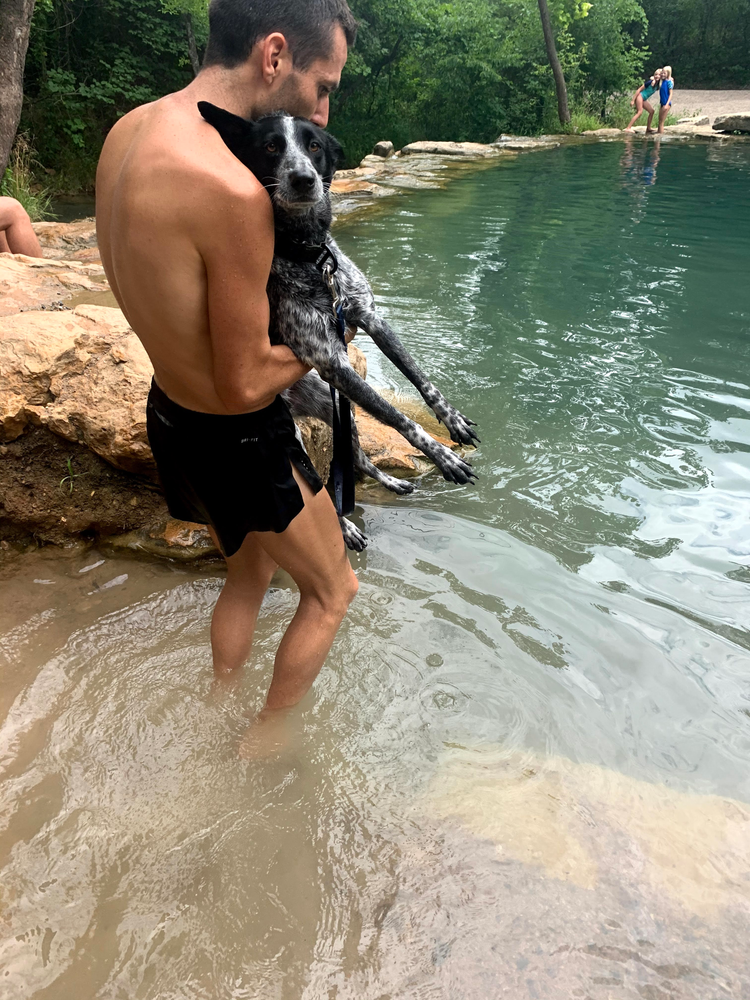
CNRA has one steep climb up to Bromide Lookout with incredible views of the small town it sits next to. There’s a big lake with a paved path around on the south side. In college, we would go for long runs there in the summer quite often and park at Little Niagara Falls. Travertine Creek Trail and Bison Pasture Trail were always on our route list. We’d go for our run and then spend an hour in the clear waters, splashing around and cooling off. I try to go back every year; it’s that good.
Chickasaw National Recreation Area
Best Time to Visit Chickasaw National Recreation Area
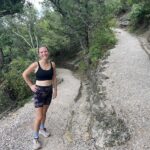
Spring and Fall for Running, the Summer for swimming!
- March to May: Pleasant temperatures, blooming wildflowers, and fewer crowds.
- September to November: Cooler weather, beautiful fall foliage, and fewer visitors.
Grand Canyon National Park
I spent a decade living not far from Grand Canyon National Park. The Grand Canyon draws runners looking for the ultimate challenge. Not only are the views out of this world, but climbing out of the Canyon on a run will also make you question the meaning of life. It’s so steep some people have a lot of difficulty just hiking it. Making it to the body is worth the effort. Below awaits the Colorado River, and there are several places to go for a dip at the bottom. There isn’t one second that you aren’t surrounded by insanely beautiful views. You need to be in decent shape to handle the trails’ vertical and technical features, but doing one of the iconic routes in the Canyon is on almost every trail runner’s bucket list. From the south rim, you can take either Bright Angel or Kaibab down to the river and back up, or lots of folks try to connect the south rim of the Canyon to the north rim by the Kaibab Trail. Well over 20 miles and 5000 feet of vertical gain and loss, this route is challenging but worth it if you’re ready! The next level is R2R2R, rim to rim to rim, across the entire Canyon, and then back again! Over 40 miles, well over 10k feet of gain. The Canyon chews a lot of people up and spits them out, but honestly, that’s half the fun!
Grand Canyon National Park
Best Time to Visit: Spring and Fall
- March to May: Mild temperatures, blooming desert flora, and manageable crowds.
- September to November: Cooler weather, fewer crowds, and clear skies for breathtaking views.
Rocky Mountain National Park
Rocky Mountain National Park is really epic. Some of the most iconic views and landscapes you’ll ever see. Huge mountains with crystal blue lakes sitting in between them. These are the kind of views that professional photographers come to take pictures that get framed in people’s houses. Because of the high altitude, a lot of this area is covered in snow for half the year. For running a lot of these trails are super tough, rugged, and steep, but super worth it! You really want to stay a few days to hit several different trails and routes. Some great moderate options on and along the Colorado River Trail. There are a lot of mountains that all have their own trails. Half of the fun is researching and seeing which views or adventures you’re after!
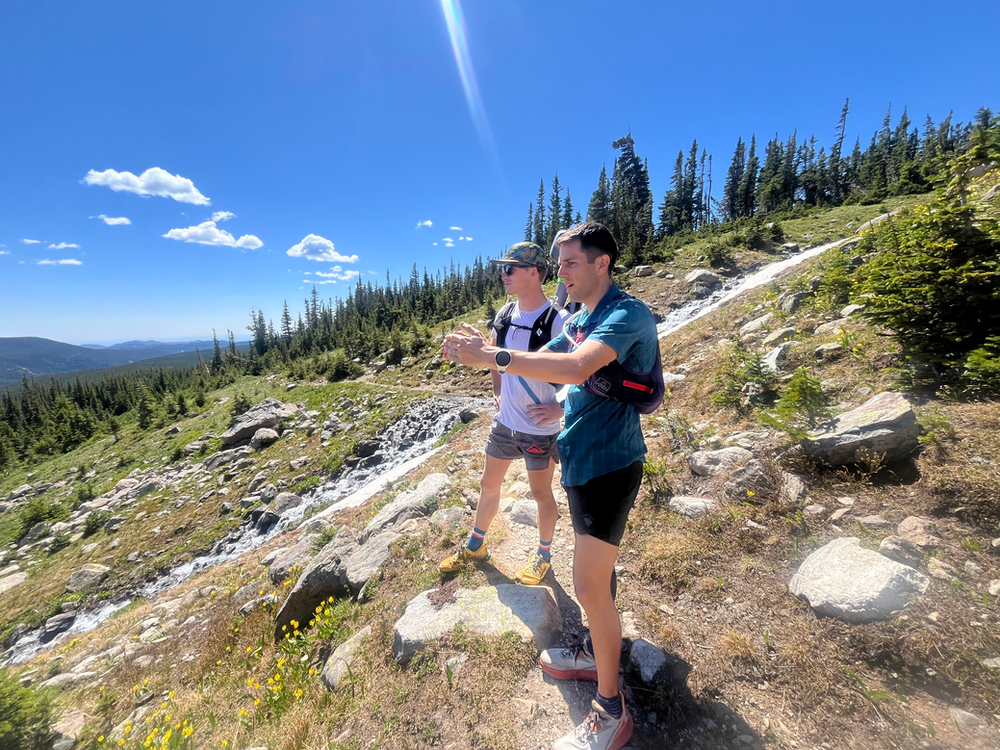
Rocky Mountain National Park
Best Time to Visit: Summer and Early Fall
- June to September: Warm temperatures, fully accessible trails, and wildflower blooms.
- September to October: Cooler temperatures and stunning fall foliage, with fewer crowds after Labor Day.
Acadia National Park in Maine
For the east coast, it’s definitely Acadia National Park in Maine. Tons of miles on the carriage roads, stunning views, and mountains make for a pretty great time for a runner. There’s a good mix of more technical singletrack trails with elevation and the more relaxed, flowing carriage trails. So everyone will have a route that suits them, from the hard-nosed epic trail runner to your mom, who runs local 5ks and marathons. Spend a week here with a group of runners, and I promise you won’t regret it. The carriage roads were by far my favorite. Giant stacks of rock form incredible walls that run alongside the trails, offering breathtaking views of lakes and the Atlantic Ocean. The crushed stone running surface is perfect—soft on the joints and ideal for all types of runners.
Acadia National Park
Best Time to Visit: Late Spring to Early Fall
- May to June: Pleasant temperatures, blooming wildflowers, and fewer visitors.
- September to October: Cooler weather, beautiful fall foliage, and fewer crowds, making for ideal running conditions.
More Than Just Miles
At the end of the day, running in national parks is about way more than logging miles. It’s about chasing that mix of challenge and beauty you just can’t find on your neighborhood loop. Whether it’s splashing around in the cold creeks of Chickasaw, grinding up out of the Grand Canyon, or cruising the carriage roads in Acadia, these runs stick with you long after you’ve cooled down.
I can promise you this—pick any of these parks, lace up, and give yourself a few hours out there. You’ll come back not just fitter, but with stories you’ll tell for years. That’s the real magic of trail running in special places.
Your Next Adventure Awaits
So here’s my challenge: start building your own list. Pick one of these parks, circle it on the calendar, and go make a run happen there. It doesn’t have to be perfect or some epic bucket-list route—just give yourself the chance to experience what running feels like in a place that’s bigger than you. That’s where the real joy is.
And if you’ve got a park in mind but aren’t sure how to train for it? That’s literally what I love to help with. Big climbs, altitude, long miles—those things can feel intimidating, but with the right plan you’ll show up ready. Reach out anytime, and we’ll figure out how to get you fit for your next adventure.
Because the truth is, the finish line isn’t always at a race—it’s at the top of a mountain, the bottom of a canyon, or standing knee-deep in a cold creek after a long summer run.