


When you talk with runners, the concept of an ‘easy day’ or an ‘easy run’ frequently comes up in conversations. Experienced runners often segment their training into distinct categories: easy days and hard days.
Dividing training sessions in this manner makes a lot of sense. Many newcomers or individuals without a running coach tend to maintain a moderate level of intensity throughout their runs; They run kind of hard basically every run. This middle ground, often referred to as the grey zone, involves exertion levels that aren’t in the right zones to significantly improve fitness, yet substantial enough to induce fatigue. You might want to reread that. It’s possible to get to a point where your training is just getting you tired and not getting you faster.
Initially, this approach may yield some positive effects. However, it’s generally an unsustainable strategy and really limits how fast you can run year over year.
The absence of distinct polarities in training—between slower, easier runs and faster, more challenging ones (aerobic threshold training)—tends to lead individuals to associate all running with discomfort and difficulty, which not only undermines effective training but also diminishes the enjoyment of the activity.
I have run A LOT of miles in my life and probably 80% of them have been spent chatting with a buddy or listening to a podcast and enjoying the outdoors at a relaxed comfortable pace.
Now, you might be wondering: Why isn’t it advisable to run hard every day? Firstly, lower-intensity running offers a plethora of benefits. Even at a relaxed pace, one can derive most of the advantages that running has to offer. The aerobic system is effectively engaged and improved at almost any pace faster than a walk.
Table of Contents
Understanding the Multifaceted Nature of Easy Days
Recovery and Adaptation
Easy days are where your body actually gets stronger. The hard workouts break you down, but the easy ones let you adapt and build back up. The catch is that you only get those benefits if the effort is truly easy. If you’re creeping into moderate intensity, you’re not really recovering. Think of it as active rest — you’re moving blood through the muscles, clearing out waste, and letting your body absorb the work you’ve already done.
Preventing Burnout and Injury
If you try to hammer every run, you’ll end up hurt or burned out. It’s just a matter of time. Easy days are your insurance policy — they give your body a chance to reset so you can actually handle the next round of training without breaking down.
Finding Your Easy Pace
There’s no magic number on the watch that makes a run “easy.” Forget about exact paces or even sticking too tightly to heart rate zones. Easy is whatever lets you hold a conversation without gasping for air. Some days that’ll be slower because of weather, terrain, or just overall fatigue. Listen to your body — it’s better at judging effort than your GPS is.
Psychological Benefits
Easy runs aren’t just physical recovery, they’re mental recovery too. They give you a break from chasing splits and let you just enjoy the process. These are the runs where you can zone out, catch up with a friend, or just enjoy being outside. That mental reset matters just as much as the physical side.
Balance and Longevity
Stack enough easy days into your training and you’ll be able to handle bigger training blocks, year after year. Skip them and you’ll constantly be flirting with injury or exhaustion. Easy runs keep you in the game longer — simple as that.
By embracing the multifaceted nature of easy days and understanding their significance beyond just pace, runners can optimize their training regimens for enhanced performance and recovery.
Harnessing Easy Running’s Physiological Benefits:
Incorporating easy-paced running into a training regimen harnesses a myriad of physiological benefits that extend beyond cardiovascular improvements. Its impact on blood flow, nutrient delivery, red blood cell production, and enhanced oxygen utilization elevates overall endurance performance while fostering efficient muscle recovery and adaptation. Embracing these advantages forms the foundation for a well-rounded and sustainable approach to running training.
Easy Running’s Impact on Blood Flow, Nutrient Delivery, and Red Blood Cell Production:
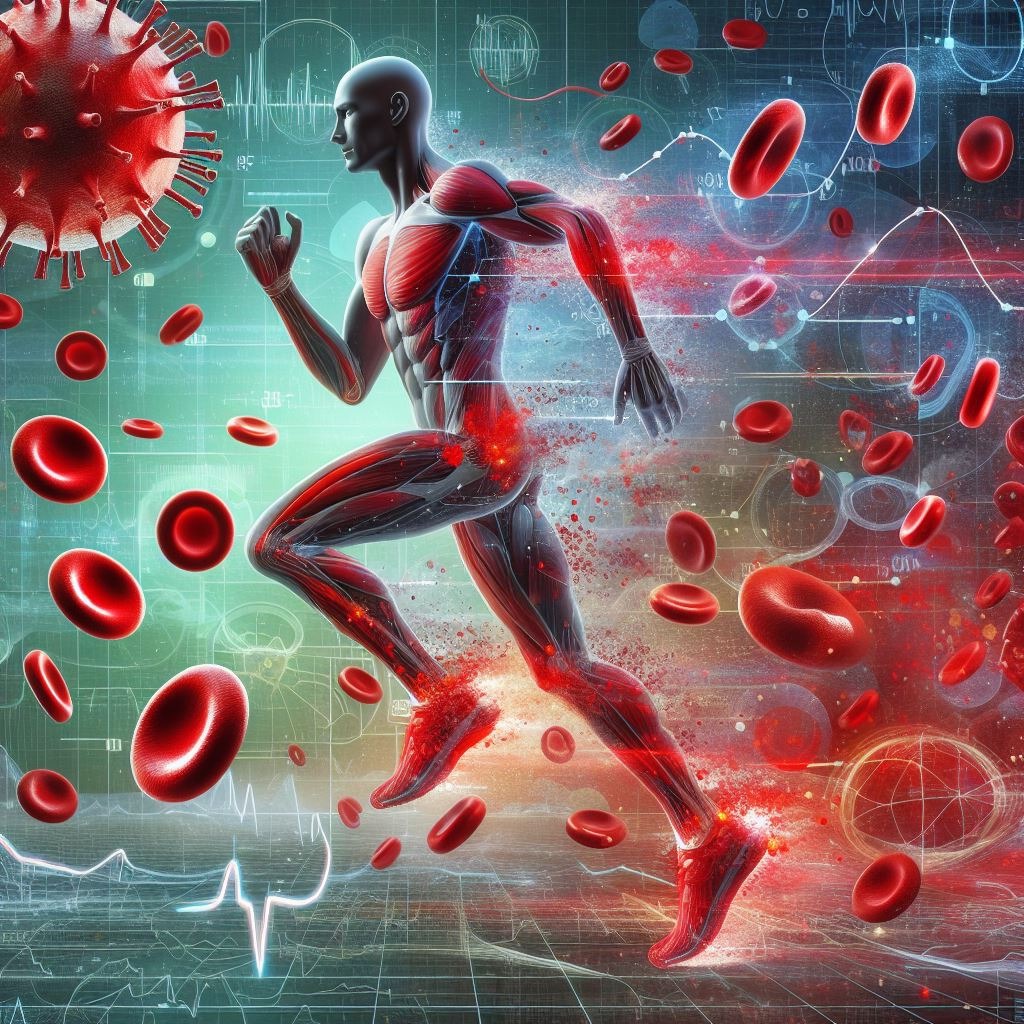
- Better Circulation and Nutrient Delivery
When you run easy, you’re pushing blood through your muscles without creating new damage. That means oxygen and nutrients get delivered where they’re needed, while waste products like lactate get cleared out. The result: less soreness and faster recovery. - Red Blood Cell Boost
Easy aerobic work actually stimulates red blood cell production. More red blood cells = more oxygen delivered to your muscles. That’s one of the biggest long-term benefits for endurance. - Improved Oxygen Use
- It’s not just about moving oxygen — your body gets better at using it. Easy miles help you become more efficient, so you can run longer before you hit the wall.
- Less Muscle Fatigue
By keeping the intensity low, you’re letting your muscles flush out junk instead of piling more on. That’s why you feel fresher coming back for your next workout.
Fitness Benefits of Easy Pace Running:
- Mitochondria and Aerobic Capacity
Those little “power plants” inside your muscles (mitochondria) multiply when you do lots of aerobic work. More mitochondria = better endurance. And yes, you get this benefit even at slow paces. - Capillary Growth
Easy running helps build more tiny blood vessels in your muscles. More capillaries mean better oxygen delivery and efficiency. - Fat as Fuel
At low intensities, your body learns to use fat for energy. That’s huge for marathoners and ultra runners because it spares glycogen for when you really need it. - Joint and Tissue Health
Easier miles are lower impact, so they strengthen muscles, tendons, and ligaments without beating them up. It’s slow, gradual durability work that pays off later. - Mental Side
Not every run needs to feel like a grind. Easy days keep running enjoyable and give your brain a break from the stress of training. That mental freshness matters.
Rate of Perceived Exertion (RPE): A Crucial Indicator for Easy Running:
While heart rate zones and physiological markers like VO2 max percentages offer structured guidelines, one of the most effective and intuitive ways to determine the intensity of an easy run is through the Rate of Perceived Exertion (RPE). RPE is a subjective measure of how hard you feel your body is working during exercise and is based on a scale of perceived effort.
Experienced runners can link their biometrics to their effort after years of training. Being in tune with your body and your effort level is far more useful than a heart rate monitor or a lactate meter!
- What It Should Feel Like: On a 1–10 scale, with 1 being walking and 10 being an all-out sprint, easy running should land between a 3 and a 5. That means you’re relaxed, you could chat with a friend, and you’re not breathing hard.
- Why It Works: RPE adjusts for real life. Bad sleep, stress, heat, hills — all of it changes how hard a run feels. A heart rate monitor or pace chart won’t always catch that, but your body will.
- Practice Listening to Your Body: Experienced runners get good at linking how something feels to the actual effort. It takes practice, but it’s worth it. Once you nail this, you’ll pace yourself better than any watch could.
RPE and Optimal Easy Running:
Incorporating RPE as a primary gauge for easy runs empowers runners to develop a stronger mind-body connection, allowing for a more intuitive and personalized approach to training. By embracing perceived effort as a guiding metric, individuals can navigate their runs more effectively, ensuring that easy days truly serve their intended purpose within a well-rounded training regimen.
Implementing Effective Easy Day Running:
- Listening to Your Body: While scientific guidelines exist, such as heart rate zones or VO2max percentages, it’s crucial to listen to your body. Factors like sleep quality, stress levels, and overall fatigue influence how your body responds to exercise. Adjust your easy day pace accordingly, allowing for flexibility within the prescribed range.
- Gradual Progression: Beginners might find it challenging to gauge their ideal easy pace. Starting conservatively and gradually increasing intensity or distance can help identify the sweet spot between effort and comfort. As fitness improves, what once felt moderately challenging might evolve into a more relaxed pace.
- Incorporating Variability: Easy days don’t necessarily mean monotonous or slow runs every time. Introducing variety within easy runs—such as incorporating hills, trails, or new routes—adds diversity to your training while maintaining the lower intensity characteristic of these sessions.
- Mindfulness and Enjoyment: Embrace mindfulness during easy runs. Focus on your form, breathing, and the environment around you. Engage in activities like mindful breathing or simply being present in the moment, fostering a deeper connection with your running practice.
- Restorative Techniques: Supplementing easy days with restorative practices like yoga, stretching, foam rolling, or other forms of active recovery can further enhance the benefits of these sessions. Such activities aid in muscle recovery and flexibility, contributing to overall running performance.
- Tracking Progress: Monitoring your performance and how you feel during and after easy runs helps in fine-tuning your approach. Utilize running apps or journals to log your runs, recording perceived effort levels and any notable observations.
Embracing the Balance:
Achieving an optimal balance between hard workouts and easy days is integral to a successful running journey. Recognizing the multifaceted nature of easy day running, encompassing physical recovery, mental rejuvenation, and personalized effort, enables runners to thrive in their pursuit of fitness and longevity in the sport.
In conclusion, easy day running isn’t just about pace; it’s a holistic approach that nurtures both the body and mind. By integrating these sessions intelligently within your training routine and appreciating their diverse benefits, you’ll not only enhance your running performance but also find greater fulfillment in the journey itself.
Conclusion:
Easy pace running isn’t merely about logging miles at a comfortable speed; it serves as a cornerstone for developing a strong aerobic foundation, enhancing physiological adaptations critical for endurance performance, and reducing the likelihood of injuries. By embracing the multitude of fitness benefits derived from easy-paced runs, runners can optimize their training routines, fostering long-term progress and overall well-being.