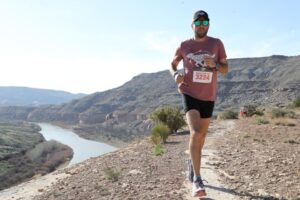
Weighted Vests for Hilly Trail Races: A Really Good Tool, If You Respect the Risk
If you look around your neighborhood these days, it’s incredibly common to see people out walking in weighted vests. It’s become a real trend, and it’s something a lot of runners are curious about. Should this be part of my training? How and why would I use one? And how do I actually do it safely without hurting myself?
Weighted vests are tricky because they’re dangerous. They’re a pretty good training tool, but they come with a lot of injury risk if used incorrectly. It’s very easy to get hurt in one. It’s a double-edged sword, and you need to be incredibly cautious.
I’ve used weighted vests at a lot of points throughout my own training. When the weight is light enough and you use them the right way, they can really help build the basic leg strength and tissue resilience needed to handle a big block of training and keep growing through it. A lot of other runners have found the same thing, especially for races that are so strength dominant, hilly trail races, mountain races, and anything with serious sustained climbing. Used correctly, I think they can be super beneficial.
The Case for Weighted Vests
Races with sustained, steep climbing put an incredible, unique demand on your body. Long climbs load your calves and Achilles in a very specific way, stretch them hard, and put a ton of pressure on your quads, knees, and low back. Unless you live and train on mountains or steep hills regularly, a weighted vest can help build some of the strength you need to propel yourself up long climbs. More strength in your quads, legs, and low back makes a night and day difference in how well you’re able to handle a big vertical day.
There’s another piece of this that a lot of runners don’t think about: most of our training doesn’t match what race day actually looks like. On race day, you’re almost always carrying more gear than you typically do. A lot of hilly trail races have mandatory gear you’re required to carry, things like a jacket, that you probably don’t bring with you on a normal training day. A lot of us are training through the summer, so that spare jacket usually isn’t coming with us. On top of that, you’ll be carrying more fuel and more gear on race day in general. That’s extra weight your body isn’t used to, and a vest is a great way to prepare for it.
To back this up with more than just my own experience, I brought in Coach Ron Hammett of Sundog Running, who has spent years working with ultra athletes on weighted vest training and race-specific load prep. Ron sees this same demand from the ultra side of the sport. As he puts it, a weighted vest “helps create a race-specific strength and durability stimulus without needing every workout to be longer, faster, or harder.”
Building Your “Fast Slow Pace”
One of Coach Ron’s favorite concepts is what he calls the athlete’s “fast slow pace,” the ability to hike with purpose and maintain steady forward movement once running isn’t practical anymore. In his words, the vest “helps train the athlete’s fast slow pace” for races with significant vertical gain.
That’s exactly the skill most hilly trail races demand. A huge chunk of these races isn’t run, it’s hiked. A strong, efficient hike is often the difference between a good day and a rough one. Training your body to move well under load, at a hike, is a different skill than training to run fast, and a weighted vest is one of the better tools for building it.
How I Actually Use Them
There are a few ways I’ve found weighted vests useful, especially early on.
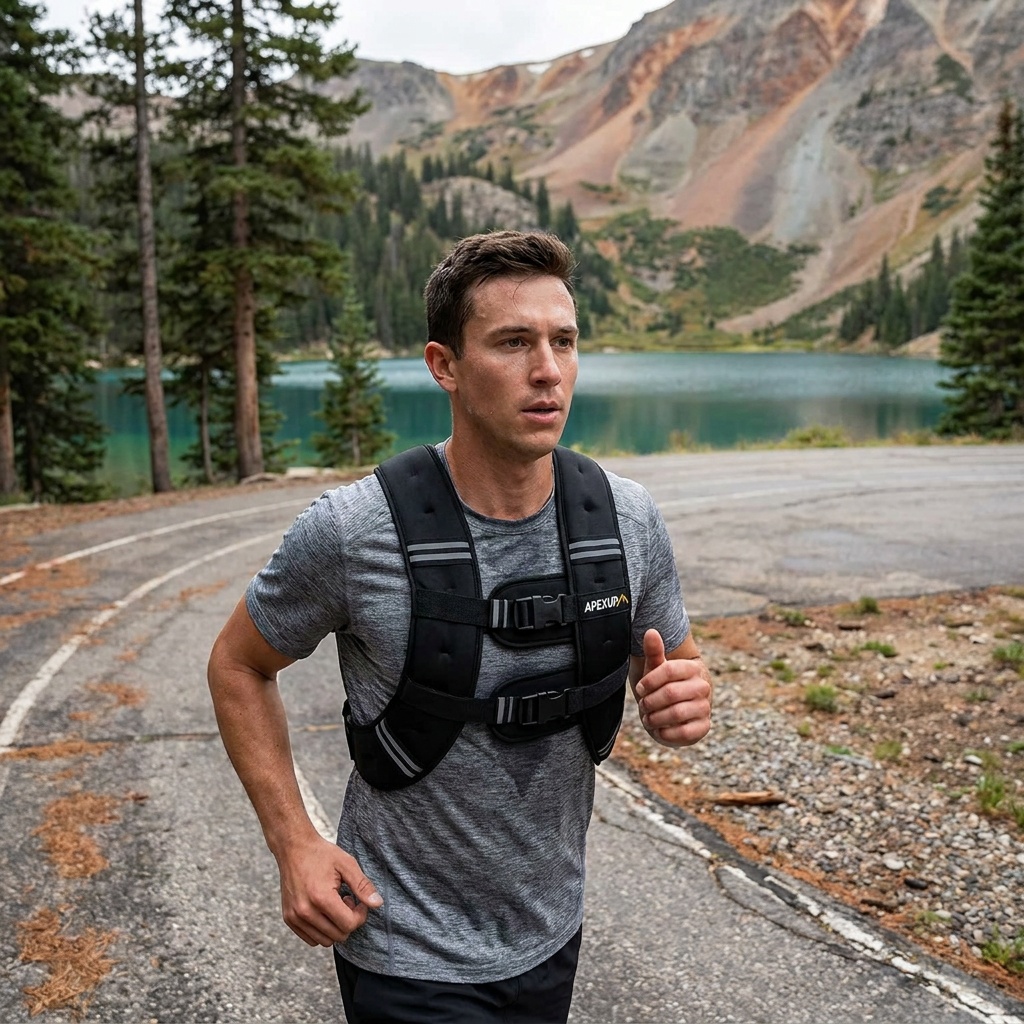
Start with low-level, everyday stuff. General walks, day-to-day tasks around the house, that’s the place to begin. When I go on a family walk at night, I’ll often wear one. It’s a great low-risk way to start loading your body safely before you ever train in it. Good options here:
- Walking your dog
- Romantic sunset walk with your partner
- Just picking up around the house
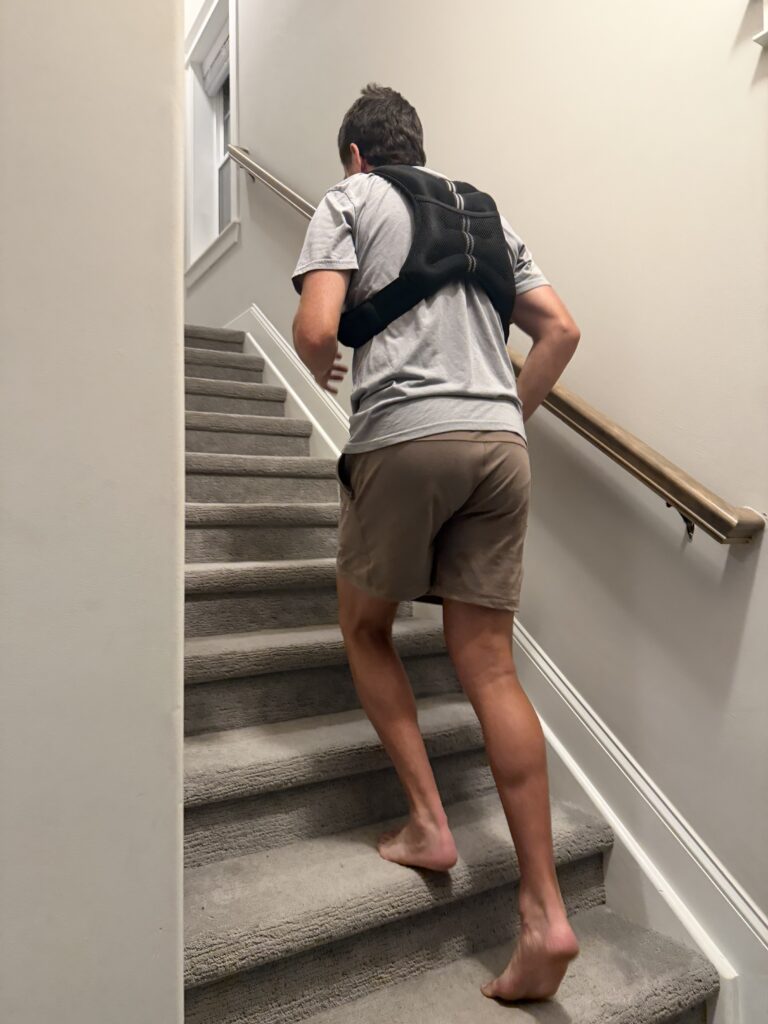
Once you’re doing specific incline work, introduce it there too, but never while running. When you start doing hiking or incline-specific training, adding the vest for portions of that work can be really helpful. Think stair climber sessions, treadmill hikes, or outdoor hikes.
Guidelines to follow:
- Always start with less weight than you think you need. Under 10% of your body weight is a solid starting point. If you’re nervous about it, go lower.
- Only use it for parts of a session at first, maybe 5 to 10 minutes, then slowly build from there.
- If you have zero pain or discomfort, you’re good to progress.
- There are a ton of vests out there. Read reviews, figure out what style is actually comfortable for you. Don’t chase the heaviest option hoping for a bigger benefit. It’s better to be comfortable in a lighter vest than to push the most challenging option possible, because the injury risk is real.
That 10% ceiling holds up on the ultra side too. Ron tells his athletes 10% of body weight is a good rule, and that “most ultrarunners do not need to exceed this.” The real goal isn’t the heaviest vest you can find, it’s becoming genuinely comfortable carrying race-specific weight for a long time while your movement stays efficient.
Why Your Muscles Aren’t the Limiting Factor
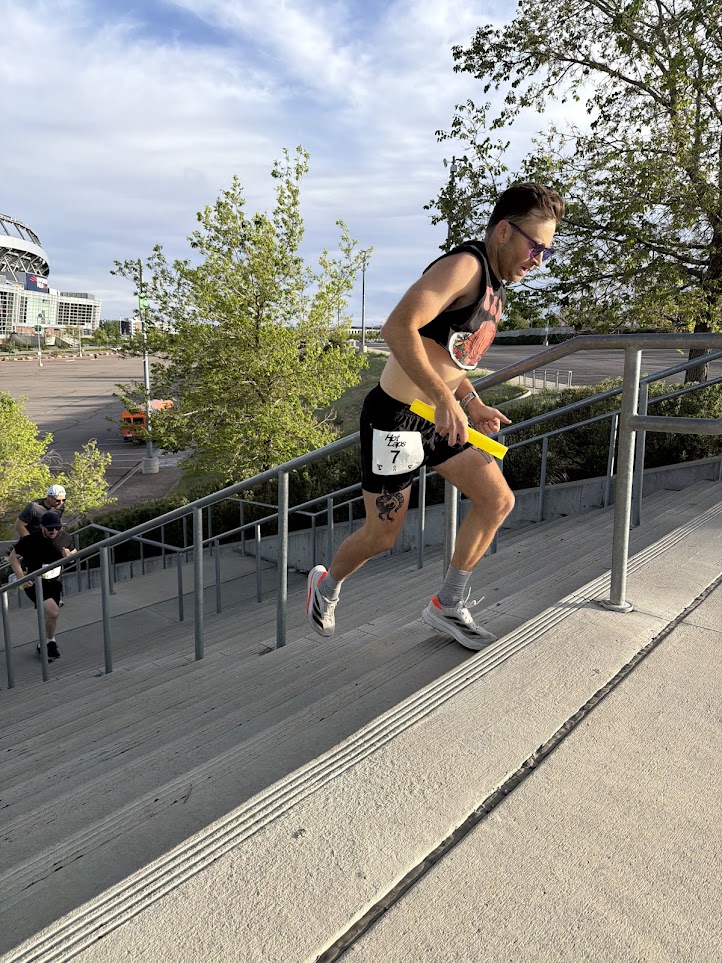
This next part might be the most important thing in this whole article. Your muscles and your cardiovascular system adapt to vest work fairly quickly. Your connective tissues, tendons, ligaments, and joints, do not. They need much more time. That mismatch is exactly where injuries sneak in. You can feel strong, feel ready to add more weight or more time, well before your tissues are actually caught up and ready for that load.
Coach Ron explained this better than I’ve heard anywhere else: “the key is patience. Muscles and the cardiovascular system may adapt relatively quickly, but connective tissues and other non-muscular structures often need more time. This is why vest work should progress slowly in both duration and weight.”
His rule for handling this is simple, progress one variable at a time. Add duration first. Only once you’re handling that well do you touch the weight. Don’t stack more weight, more duration, more vertical gain, and more intensity into the same week. That’s a recipe for an overuse injury that sneaks up on you. This lines up exactly with the mistakes below: running in a vest and chasing heavier weight too fast are really the same root problem, pushing load faster than your tissues can actually absorb it.
The Biggest Mistakes
Running in it. This is the number one mistake. When you run, you’re already putting 2 to 3 times your body weight through your legs with every stride, and even more than that on impact. Add a weighted vest on top of that, and you’re creating a load your joints and ligament tissues generally cannot handle. Never run in a weighted vest. Running in a vest is generally discouraged for the same reason on the ultra side, it can alter mechanics and increase impact stress.
Chasing the most weight possible. People think heavier means a bigger benefit, and it usually just leaves them injured. Don’t chase higher weight. Start incredibly small. Five minutes on the stair climber with a light vest is a completely reasonable place to begin.
I’ve also found real value in using a vest for strength exercises instead of loading up with barbells. That’s been a helpful substitution for me.
Using Longer Sessions as Fueling Rehearsal
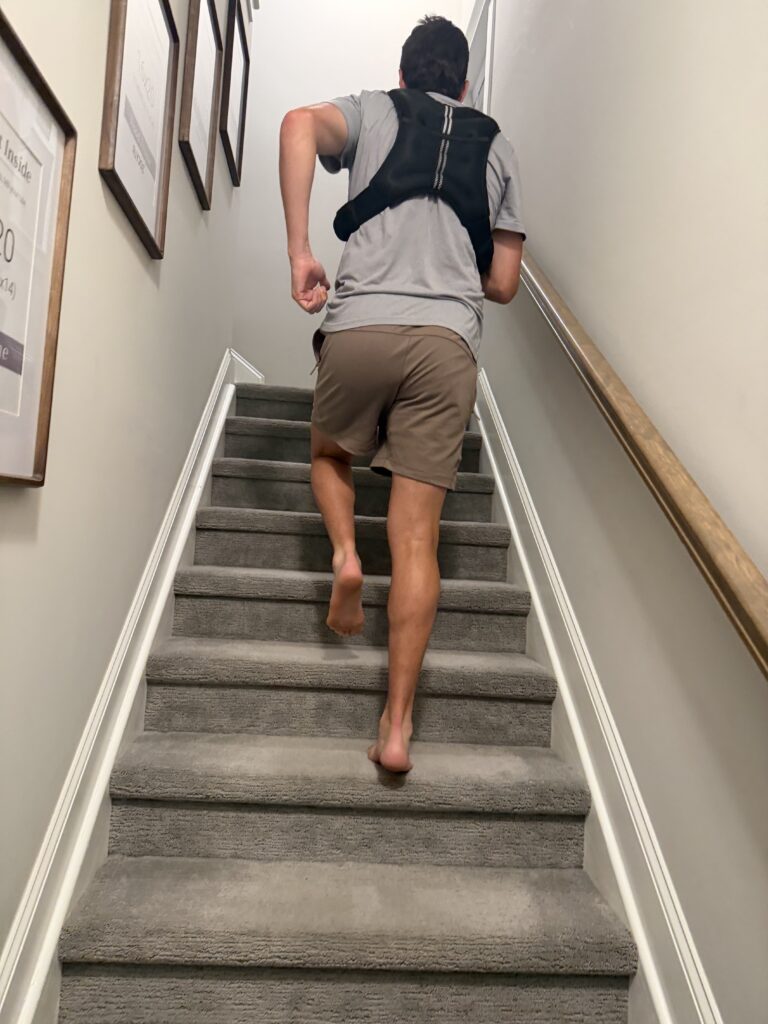
This is a piece I don’t think enough runners take advantage of. A long treadmill hike in a vest is a controlled environment where you can test your hydration and fueling plan without the chaos of weather, terrain, or aid station logistics.
Coach Ron calls this “lab work,” and it’s a great way to think about it. He’ll actually have athletes step off the treadmill mid-session, eat a small real-food meal or snack, then get right back on and keep moving. That practices a skill that matters a lot on a long day on a big climb, eating, digesting, and continuing to move without your stomach shutting down on you. It’s the same dress-rehearsal mindset I talk about with fueling on your long uphill runs, just applied to a controlled indoor setting where you can really dial things in.
His athletes have told him that after finishing long races, they couldn’t have finished without those longer treadmill vest sessions. They’ve said their race pack was never an issue for them out on course, and that they genuinely felt capable of power-hiking effectively when running wasn’t an option anymore. That’s the whole point of this kind of training. It’s not about the vest itself, it’s about walking into race day already comfortable with the exact demands the race is going to put on you.
Warning Signs to Watch For
Watch for foot pain, shin pain, Achilles tightness, knee pain, hip discomfort, low back soreness, or any soreness that lingers past 36 to 48 hours. If any of that shows up, back off the weight, shorten the session, or drop the vest entirely until things settle down.
The tricky part is that vest training doesn’t always feel extremely hard in the moment. The added load can create irritation that shows up later, after the session is already over. That’s exactly why paying attention to the small warning signs matters so much here.
The Rule of Thumb
Don’t run in them. When in doubt, go lighter. Start patient and small.
If you’ve got months before race day, start with 5 minutes of walking and add 5 minutes a week. That’s a great progression. Same idea on the stair climber: start with 5 minutes of hiking, add a minute a week. It doesn’t need to be massive, it just needs to be consistent, small increases that never cause pain or discomfort. The injury risk is real, so stay cautious.
I’ve personally added a weighted vest to my stair climber sessions and slowly progressed that over weeks and months. It’s made a huge difference in my ability to climb, and it’s made me feel more powerful and comfortable on the trails, whether that’s Pikes Peak or any other big hilly race on the calendar.
Special thanks to Ron Hammett of Sundog Running for his insight on this one. Ron has spent years working with ultra athletes on weighted vest training and race-specific load prep.