Pikes Peak Training Check In
It’s that time of year again. Kate Bush said it best, it’s about time we start running up that hill, because the race is approaching fast.

We’ve only got a few months left before the Pikes Peak Marathon, the Ascent, and the other races on the calendar. It’s time to lock in. Just wanted to give you some motivation, some ideas, and some training strategies to make sure you’re set up to have the best day possible out on the mountain.
Here are the types of workouts you should start incorporating to make sure you’re as ready as possible for race day.
Workouts to Start Incorporating Now
At minimum, you want one pretty hard, specific uphill day a week. On top of that, an occasional second or even third easier aerobic uphill day is a great addition. That could be lighter uphill running on the treadmill or stair climber, or an easy ride outside on a really hilly course, but still low intensity. Mix that in with your one specific harder day.
What do those harder, longer days actually look like? A couple options:
- A long run built around threshold-style uphill intervals (check out my article on long uphill trail intervals for the full breakdown on how to structure these)
- A split long run: 90 minutes outside on a really hilly route, followed by 90 minutes on a treadmill at 10% incline or on the stair climber, for a total of 3 hours
You want at least one hard vertical day a week, and ideally one easier one alongside it. If you didn’t have hard vertical work built into your training back in the spring, that’s fine. Now is when it needs to show up.
Could be as simple as wednesday you’re doing 60 mins on the stair climber and saturday you’re doing a hilly long run, 2-3 hours, with 6×4 mins HARD uphill (4-6 mins rest) worked into the long run. Blended into the rest of your week of strength and running.
The Biggest Mistakes at This Stage
The biggest mistake is not having very dedicated, intentional, inclined uphill days built around lengthy climbs similar in grade to the mountain. If you don’t have that kind of terrain outside, you’ve got to get on the stair climber or do some specific inclined treadmill work instead.
These days are harder to commit to because they take more intentionality than just heading out for a run. You either have to specifically find those big, hilly climbs, set your treadmill up, or drive somewhere to get on a stair climber. Because it takes more planning, it’s easier to skip. But the race will punish you so much if you skip it. Your body will hurt, it will make you blow up way earlier, and you’ll feel so much stronger and more confident on race day when you’ve actually spent the time climbing.
The second mistake is not practicing the fueling strategy you’re actually going to use on race day. When you mess this up, especially at altitude, you can run into some really serious bonks and blow-ups, and it slows your performance down so much. When you’re properly fueled, you actually get to utilize your fitness and see where your real limits are. That’s one of the beautiful things about this race, it will genuinely help you find your physical limits. But you can miss out on that entire experience if you’re just underfueled out there. You don’t even get to see what your body is fully capable of.
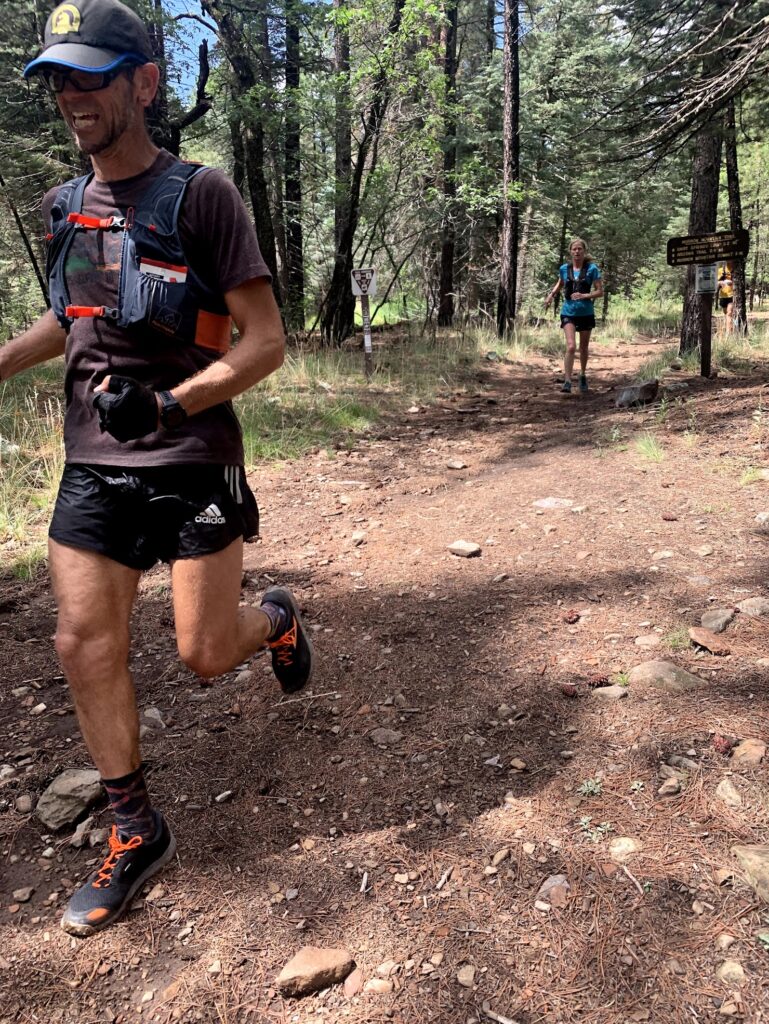
The third is not practicing your gear, all the stuff you’re going to bring, how you’re going to carry it, and what shoes you’re going to wear. Plan that stuff out well in advance, not a week or two before the race, but months in advance, so you’ve actually practiced it.
Turn Your Long Runs Into a Dress Rehearsal
This is where those last two mistakes really get fixed. As you’re doing some of those long uphill runs, start treating them like an actual dress rehearsal for race day, not just a fitness-building session.
Start practicing your actual gear and fueling strategy. Figure out:
- What trail shoes do you want to race in?
- What’s your gel of choice?
- Are you rocking a belt or a vest
- etc etc etc and many other et ceteras
Practice the fueling strategy you’re actually going to use on race day, and figure out how you’re going to carry it all. The goal is that by the time you toe the line, none of this feels new. You’ve already rehearsed it, months in advance, on the exact kind of terrain you’ll be racing on.
Strength: There’s Still Time to Make Changes
There is still time to make changes in the gym, and we can still target our weaknesses. Strength still matters this much at this point in the season because there’s still time for those adaptations to happen. This is far more of a strength-based race than people realize, given how vertical it is and the demands it puts on your body. It’s really hard to move well on this course without strength. As your strength goes up, you’re going to see real performance increases, and a lot more confidence and enjoyment out there on the course.
A few specific movements worth focusing on:
- Weighted step-ups
- Calf raises
- Single-leg squats
There’s still real time to make gains here. Don’t write off strength work as something you should have already locked in.
On Rehearsing Race Pace
Here’s the honest truth: it’s hard to rehearse race pacing for Pikes Peak, because there’s nothing quite like the actual mountain unless you live there. If you don’t live there, it’s tough to know exactly what your pace numbers will be, or how you’re going to feel going from 7,000 feet to 14,000 feet on a steep, sustained grade.
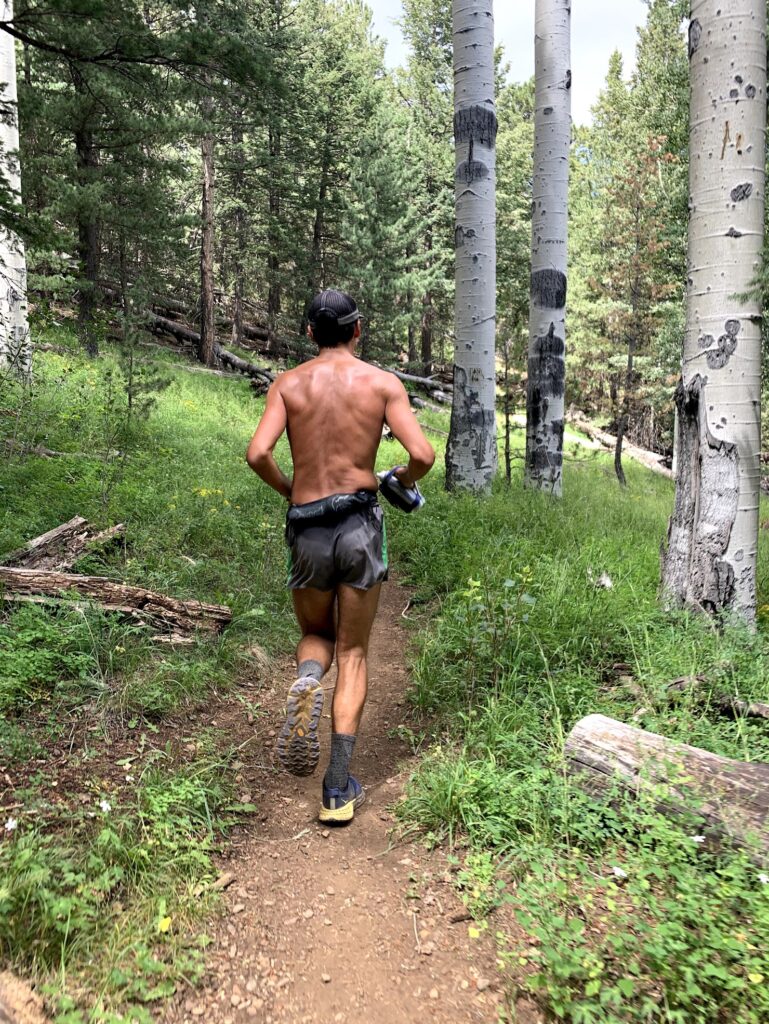
That said, you still need to do the long runs, especially the ones with quality built in. What you’re really building is the mind-body connection, understanding how long you can sustain a certain effort, and what that means for you personally. That’s the whole point of treating these long runs like a dress rehearsal.
Quality here means having some specific, intentional faster sections built into your climbing, the same way we’d build interval days into flat training, going to the track for specific race pace work, or running intervals faster than race pace. We want some of that same structure on the climbs, uphill trail intervals where you’re practicing running faster than you’re going to race, for short periods, attacking a section and building speed and strength on it. Basically, take those normal threshold workouts you’d do on the track or on flat ground for something like a road marathon, and bring that same structure to the long climbs.
If You Feel Behind
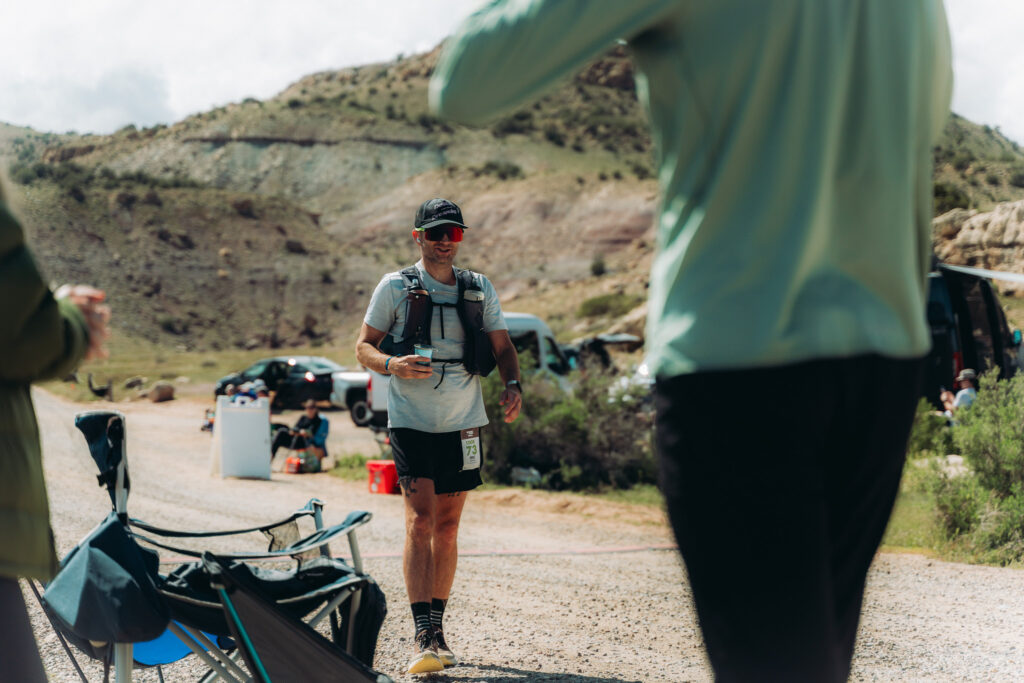
There is still a ton of time. If you feel like you’re behind right now, you’ve got plenty of runway to get some big uphill weekends in, to have fun grinding on the stair climber and uphill treadmill, and to make real changes in your body through strength work.
But this is the point in the season where you need to start being intentional and specific. Three months out is when it counts. Whether that means really attacking the stair climber or uphill treadmill and adding intensity there, or, if you’re lucky enough to have good long climbs in your area, starting to put real miles on those, now is the time to commit to it.